
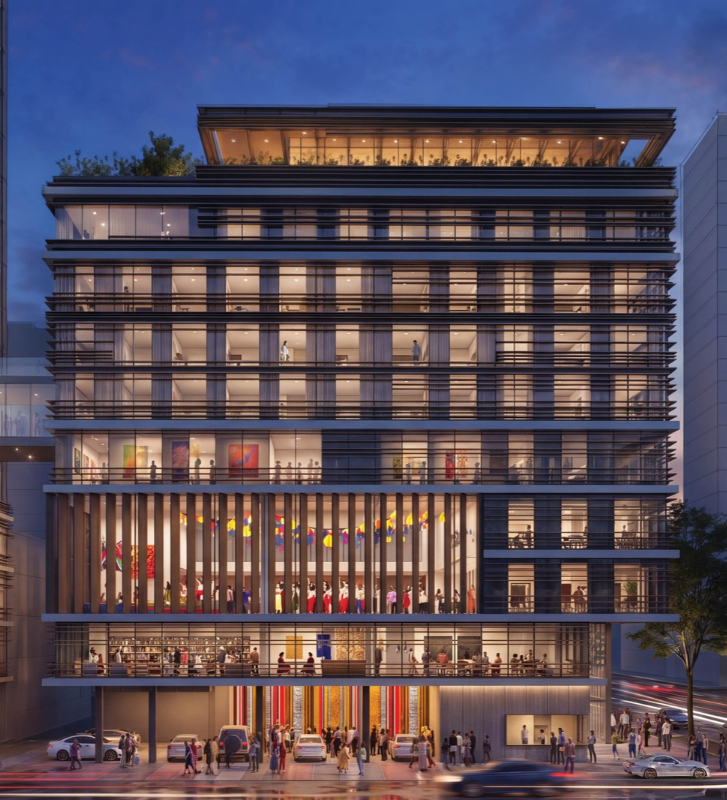
In October, PortLiving and Formosis Architecture released preliminary renderings of a proposed Filipino cultural centre. After decades of advocacy and site searching, many Filipino Vancouverites are seeing their quest for a permanent community home come to fruition. Envisioned as a 10-storey, 45,000-square-foot “cultural landmark” at 160 East 2nd Avenue, the proposed Filipino Cultural Centre of Canada will be the first phase of a grander multi-site campus in Mount Pleasant.
Tobi Reyes, founder of PortLiving, dates his involvement in the initiative back to 2009. “It really is a dream come true,” he said. Despite there being no formal movement for a centre 20 years ago, Reyes said he “really felt this need to connect culturally, but there was nothing,” so he took it upon himself to fill that gap in his community.
Finally, in June 2023, Vancouver’s city council voted unanimously in favour of a motion to support a Filipino cultural centre, and in December 2025, it further voted to prioritize PortLiving’s proposal.
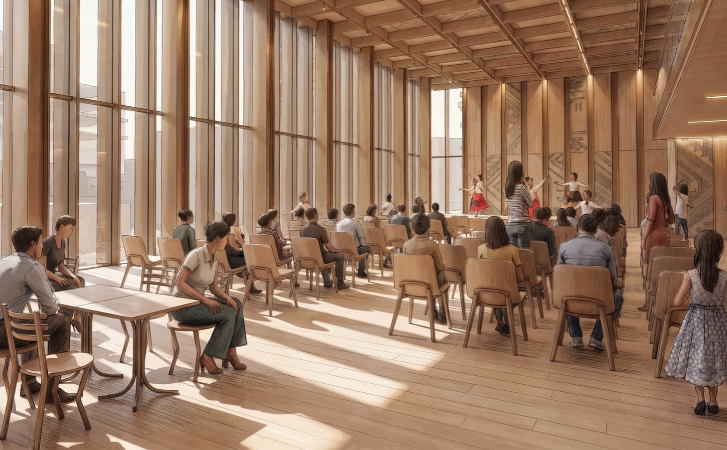
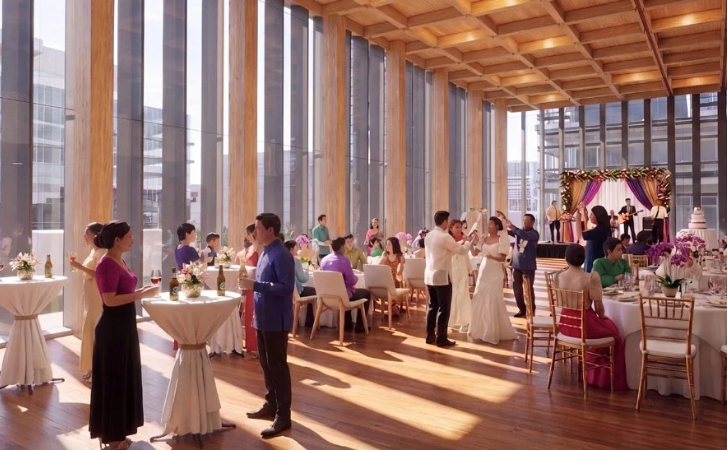
Designed by Formosis Architecture, the development’s contemporary form draws inspiration from traditional Filipino architecture and design. For example, horizontal and vertical façade elements make reference to banig—traditional Filipino handwoven mats—creating a distinct cultural identity within the physical space. The final building will house exhibition galleries, classrooms, art spaces, a cultural café, a landscaped rooftop social space, and a double-height event hall intended for community gatherings and performances.
Following this development, subsequent phases of the master plan at 143 East 3rd Avenue and 1940 Main Street will further offer office, light industrial, and commercial hospitality spaces. When it comes to sustaining community spaces, Reyes described a common trap people fall into: “The focus is on building them, but people often forget about what happens after, and how they can be around for the generations to come that they were meant for.” Crucially, to skirt this issue, the commercial hotel operations will be structured to subsidize the cultural centre’s long-term self-sustainability. By regularly directing a portion of hotel earnings into a permanent endowment, this model ensures the cultural centre can operate without relying solely on donations, grants, and other less steady/secure forms of revenue.
But that all comes next; for now, Reyes said the “immediate focus is establishing a credible first home in Vancouver.” As soon as local rezoning is complete, he said, securing a building permit is a high priority, aiming for a construction start date in 2027. In the meanwhile, with vibrant artistic visions and the NDP and Conservative parties in B.C. recently pledging $15 million in funding, each—the centre’s future looks quite bright.