

At Directions Youth Services, more than 70 per cent of visits happen outside regular business hours—a measure of the need for Vancouver’s only youth drop-in centre open 24 hours a day, 365 days a year. “You can’t schedule a crisis,” said housing and life skills worker Griffin Dawson.
During Homelessness Action Week in B.C., Family Services of Greater Vancouver invited media inside the centre to see how it supports young people navigating homelessness. Across Metro Vancouver, more than 170 youth experience homelessness on any given night. Directions staff say services for this population remain limited, particularly for those under 19, who are too young to access many shelters.
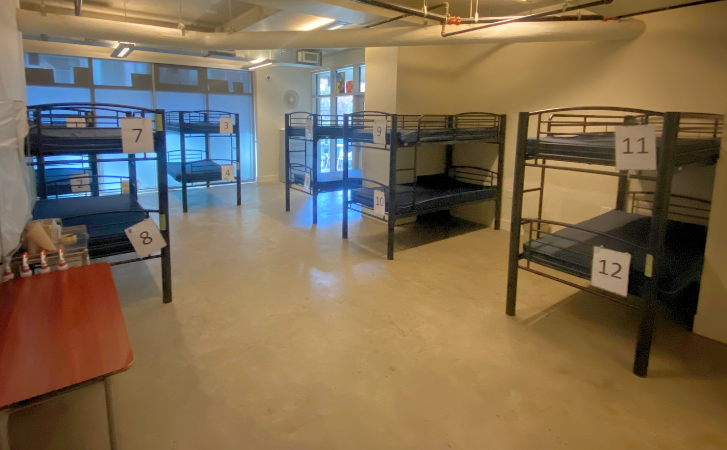
For Dawson, helping young people find housing is only part of the job. His work spans referrals to emergency shelters and supportive housing, applications for market rentals and the practical skills needed to sustain a tenancy: budgeting, cooking and cleaning. “Anything that’s not only going to help people get housing, but then maintain it once they already have it,” he said.
The approach centres on helping clients navigate those tasks themselves, with staff working alongside them. The goal is to build skills they can draw on beyond their time at Directions. “When someone is doing the work alongside you or for themself, they’re really getting a chance to learn all of the skills,” said Dawson.
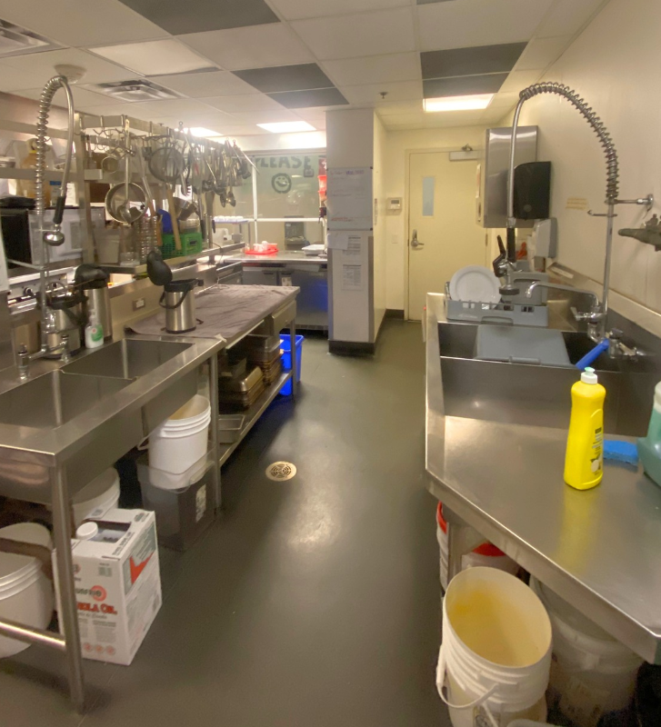
That emphasis on practical experience extends to Street Youth Job Action, a program offering jobs with same-day pay, including needle sweeps and garbage removal. Participants receive appropriate equipment and training, earning money while gaining work experience.
Dawson works with young people from a range of backgrounds, most of them between 16 and 18. He also sees an overrepresentation of Indigenous and other racialized youth, as well as members of the LGBTQ+ community.
Directions reports that eight per cent of youth accessing its services identify as 2SLGBTQIA+. Because clients are not required to disclose their identities, that figure may not capture everyone.
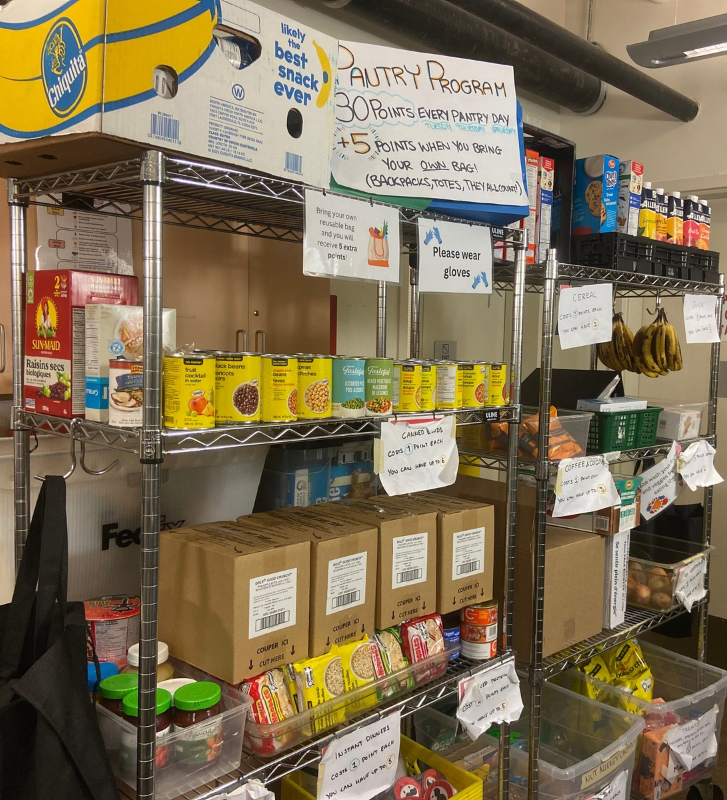
Staff take a trauma-informed approach that gives young people a say in how they receive support. For Dawson, that can begin with something as simple as letting a client choose where to discuss housing. “In a lot of those conversations, people are sharing some of the hardest moments in their lives,” he said.
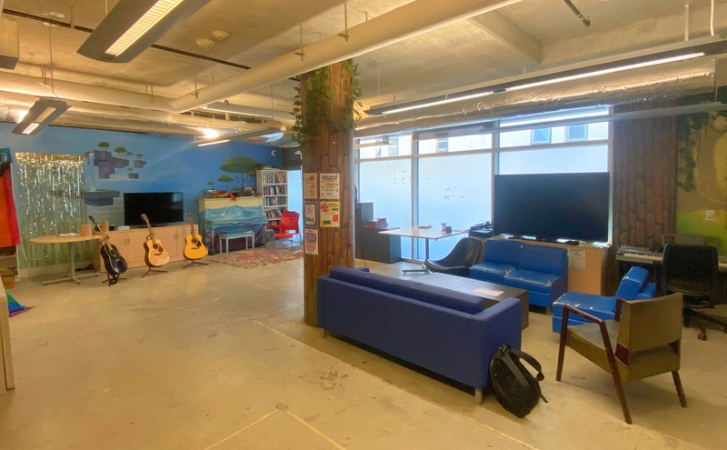
Sustaining those services brings its own uncertainty. The affordability pressures facing clients also loom over the centre’s ability to keep providing support.
“With the cost of living rising and the affordability crisis, one of the things that is always on our mind is, ‘how can we keep our programs funded?’” said Dawson.