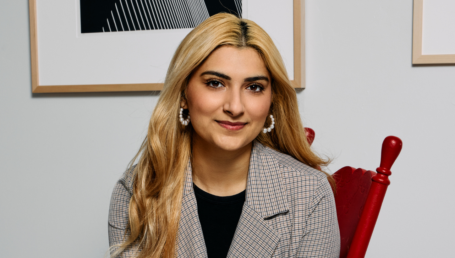

At just six years old, Jessie Williams was given a simple but weighty instruction from her grandfather. “You’re going to get the white man’s education and you’re going to use it to help our people,” he told a young Williams—words she still carries with her.
Today, as dean of Indigenous initiatives at Vancouver Community College, Williams works at the intersection of systems that haven’t historically worked for Indigenous learners and communities. A member of the Squamish Nation and the first in her immediate family to pursue post-secondary education, she has built a career focused on turning Indigenous inclusion from an add-on into built-in policy.
At VCC, that means overseeing everything from student support to curriculum and community partnerships. “Indigenous student services is the heartbeat of the work that we do,” she says, pointing to gathering spaces, peer supports and cultural programming that aim to create “a home away from home” for students.
Much of her work is about relationships—how they’re built, maintained and honoured. Williams is deliberate about moving away from extractive models of engagement with Indigenous communities. “It’s more reciprocal, as opposed to transactional,” she explains, pointing to efforts like VCC’s annual Indigenous Partners Appreciation Luncheon, where knowledge keepers and community partners are invited, thanked and compensated for their contributions.
Before VCC, Williams held similar leadership roles at Simon Fraser University and New Relationship Trust, where she helped launch Indigenous-focused programs and expand community-driven education initiatives across B.C. She’s seen how post-secondary institutions are responding to the Truth and Reconciliation Commission’s Calls to Action—through new leadership roles, expanded programming and deeper engagement with Indigenous communities—but says the work is still evolving. “There’s a lot of work to do,” she says. “But I do see change.”
Across Williams’s many influential roles, her work has been guided by the Squamish teaching Nch’ú7mut, meaning “to be one, to be in unity.” Today, that principle applies to her view of her industry—perceiving education not merely as an institution, but as a place of belonging. “Education is a really special place to be,” Williams affirms. “It’s always been like a second community to me outside of my Nation, because it has been a constant.”
What skill are you currently working on?
“Living a balanced life.”
What B.C.-based business do you admire?
Nch’ḵay̓ Development Corporation.
What is your go-to reset ritual?
“A beautiful walk along Ambleside Beach.”