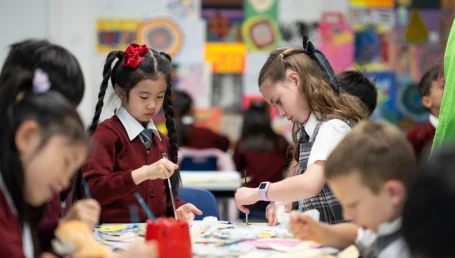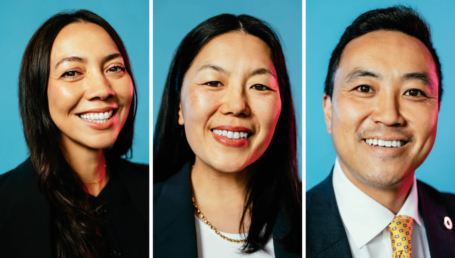

There are around 365 independent schools across British Columbia, according to the provincial government. These schools offer an alternative education pathway for students starting in preschool all the way up to grade 12. Often with lower teacher-student ratios, comprehensive academic programming and a strong sense of community, independent schools might just be ahead of the curve as education continues to rapidly change.
Here’s what sets an independent school education apart.
Exceptional academic opportunities
Independent schools are widely celebrated for their exceptional academic rigour, deeply supportive communities and dynamic learning environments. Equipped with unique resources and remarkable flexibility, these institutions continually adapt curricula to meet emerging educational trends while championing a distinct and inspiring philosophy of holistic student success.
At Stratford Hall, a K-12 independent school in Vancouver, the International Baccalaureate (IB) framework shapes students’ learning at all grade levels, emphasizing inquiry, critical thinking, cross-disciplinary connections and global perspectives.
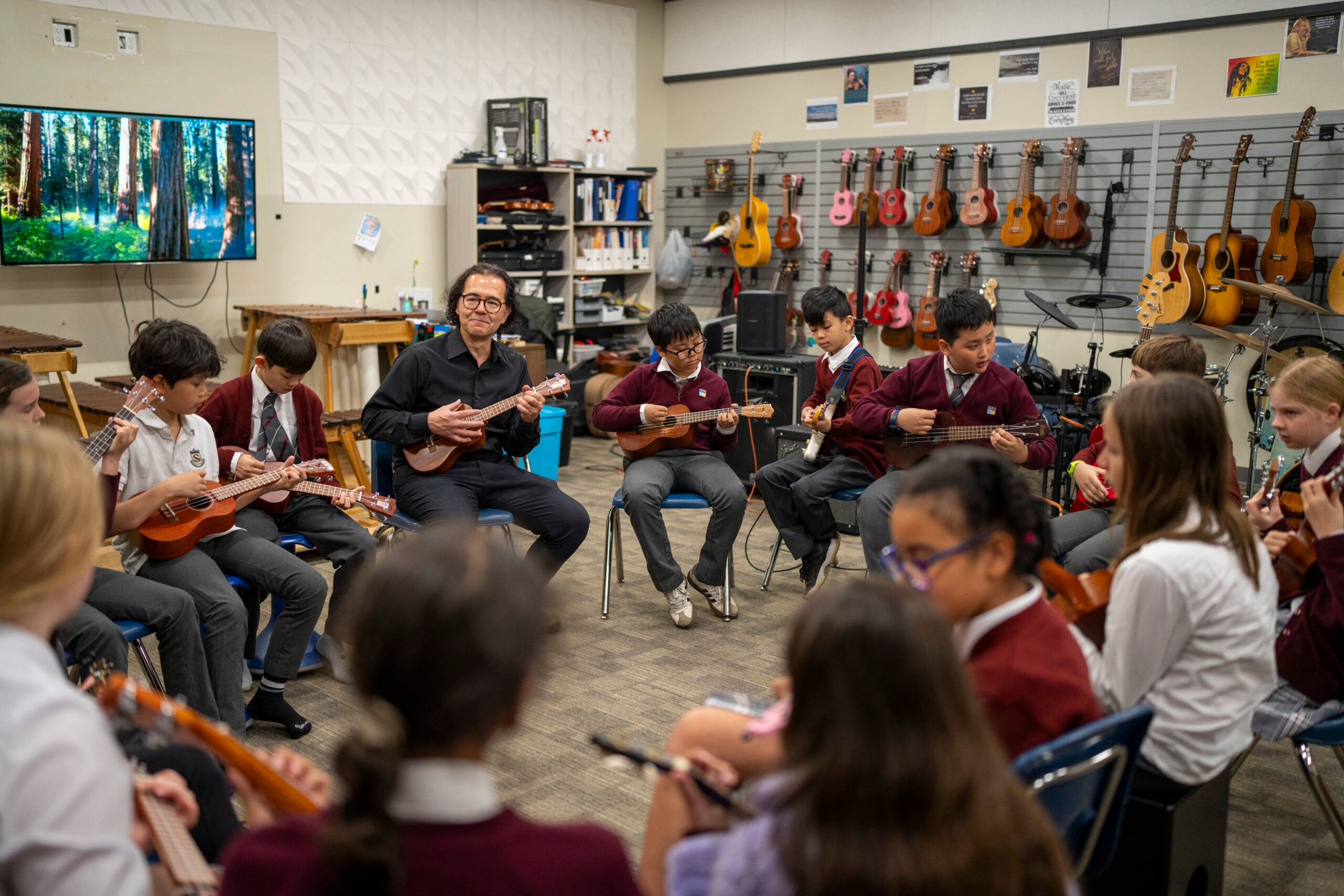
“It’s important that students are curious, can think critically and are taught how to utilize those skills so they can thrive and be independent after they graduate,” says Richard Kassissieh, head of school at Stratford Hall. The IB framework reflects a belief that all students are highly capable of achieving at advanced levels when properly challenged and supported.
“Independent schools give students the opportunity and space to build a learning experience around a clear set of educational values and approaches,” says Smita Karam, Junior School principal at Stratford Hall. “The goal is not simply to cover content, but to help students learn how to think and apply their learning in meaningful contexts.”
Families may choose an independent school education for many different reasons, one being this unique learning experience it offers. “By balancing academic rigour with emotional well-being, creative expression and outdoor resilience, parents invest in an education that equips well-rounded individuals with the character, perspective and confidence to thrive in an ever-changing world,” says Alison Wall, the director of enrolment management at Stratford Hall.
From arts and athletics to research and leadership, students at an independent school grow holistically, not just excelling in academics. Students are equipped with the necessary soft skills to take ownership of their learning and pursue their passion and interests. “Independent schools can develop programs, partnerships and learning experiences that reflect the needs of their particular community,” continues Karam. At Stratford Hall, this is reflected in the school’s design thinking program at the Idea Lab (where students prototype, test and collaborate on solutions to real-world problems), an Indigenous Artist-in-Residence program, outdoor experiential education, connections with organizations across Vancouver and ongoing investment in new spaces and programs.
“We want students to leave with a strong academic foundation, but also with self-awareness, confidence, resilience, curiosity and a sense of purpose,” says Andy Wong, Stratford Hall’s Senior School principal. “Preparing students for the future means preparing them to participate in shaping it,” he says.
Meaningful connections
Strong academics are a key independent school advantage. So too is fostering meaningful connections, whether it’s among students or between learners and educators.
Indeed, low student-teacher ratios and small class sizes make an independent school education appealing for many families. At Glenlyon Norfolk School (GNS), an IB school in Victoria, the average class sizes range between 16 and 18 students, with an eight-to-one student-teacher ratio. This smaller size ensures every student is known and can be supported in the best way for them.
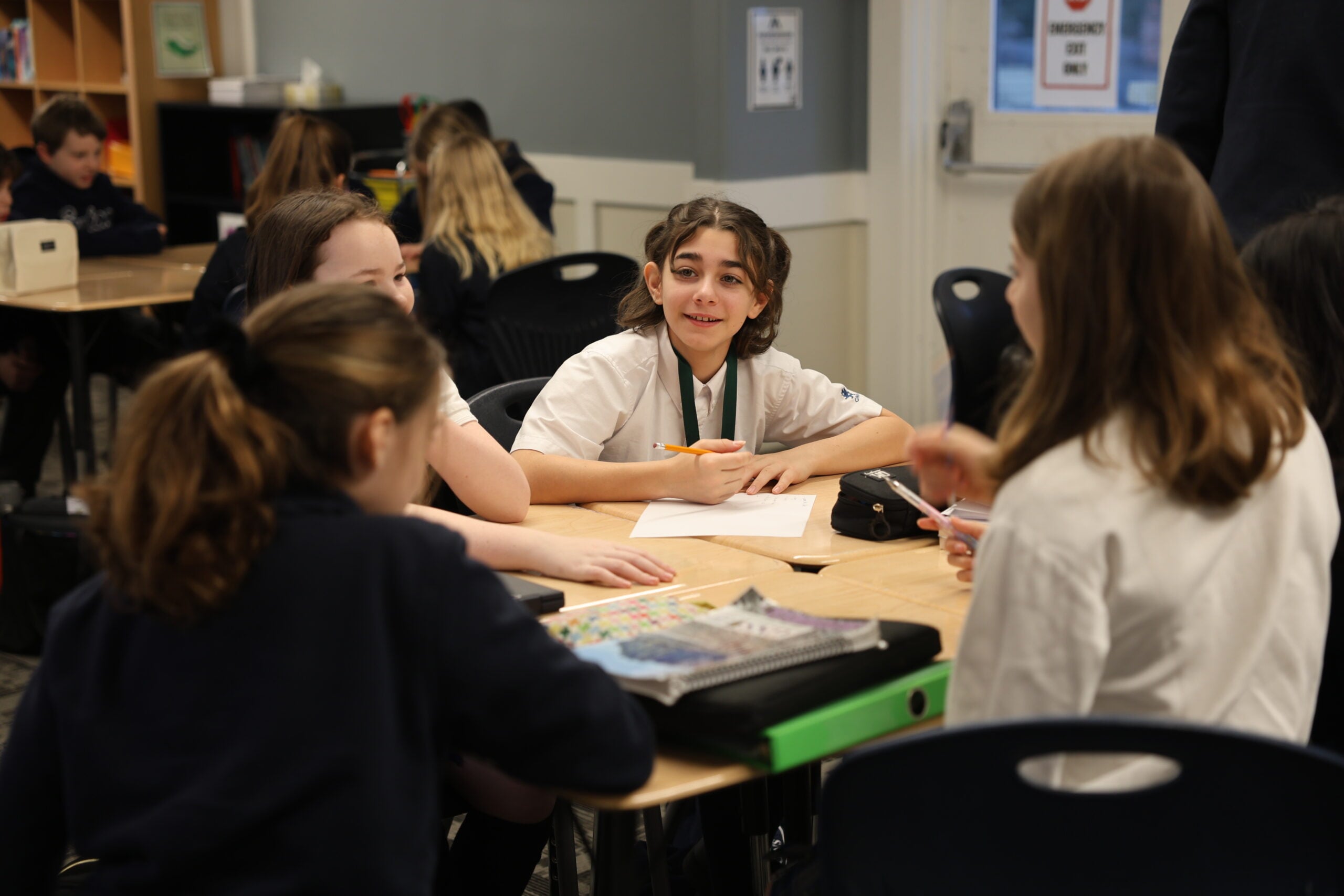
“We really get to know the kids and the families. We’re community-driven and student-driven,” says Chad Holtum, head of school at GNS. This personalized support extends beyond the classroom. For graduating students, GNS has three full-time university counsellors who all previously worked in post-secondary admissions to help them find their path.
“School is an opportunity to try things you’ve never thought of,” he says. “It’s also important to know what you don’t love—and to try it here. If it doesn’t work for you, you’re surrounded by people who will pick you back up and work with you to look at the next path.”
At GNS, students begin their learning journey as early as age three in junior kindergarten and continue through grade 12. This kind of multiyear connection supports the entirety of students’ education as they customize their own pathway. “We take the partnership between families and this school very seriously, because we really do want a partnership,” emphasizes Holtum. “We’re taking this journey together.”
These connections extend beyond the school to admissions, whether it’s welcoming students from many countries around the world, teaching legacy students from alumni or providing financial assistance. One in five students at GNS are there on either scholarship or a financial assistance bursary package. “Do you want to be here? Is this a fit for you?” says Holtum, “and is this where you want to go? Then we want you here.”
Global mindedness also extends to GNS as an IB school. In fact, it’s the only IB Continuum school on Vancouver Island, meaning students start an inquiry-based education in junior kindergarten. “We want to make sure students are curious, are asking good questions and can navigate a changing world,” says Holtum.
Holistic learning
Schools are uniquely positioned to support children and youth during their formative years. Second only to immediate family, a school’s impact is significant in multiple dimensions of a person’s overall growth and development. At Brockton School in North Vancouver, that significant responsibility and opportunity are recognized, valued and optimized. At Brockton, students from pre-kindergarten to grade 12 experience an education that is profound in the overall development of each child, not only as learners, but as outstanding people. Indeed, Brockton’s mission is to “inspire the growth of outstanding humans.”
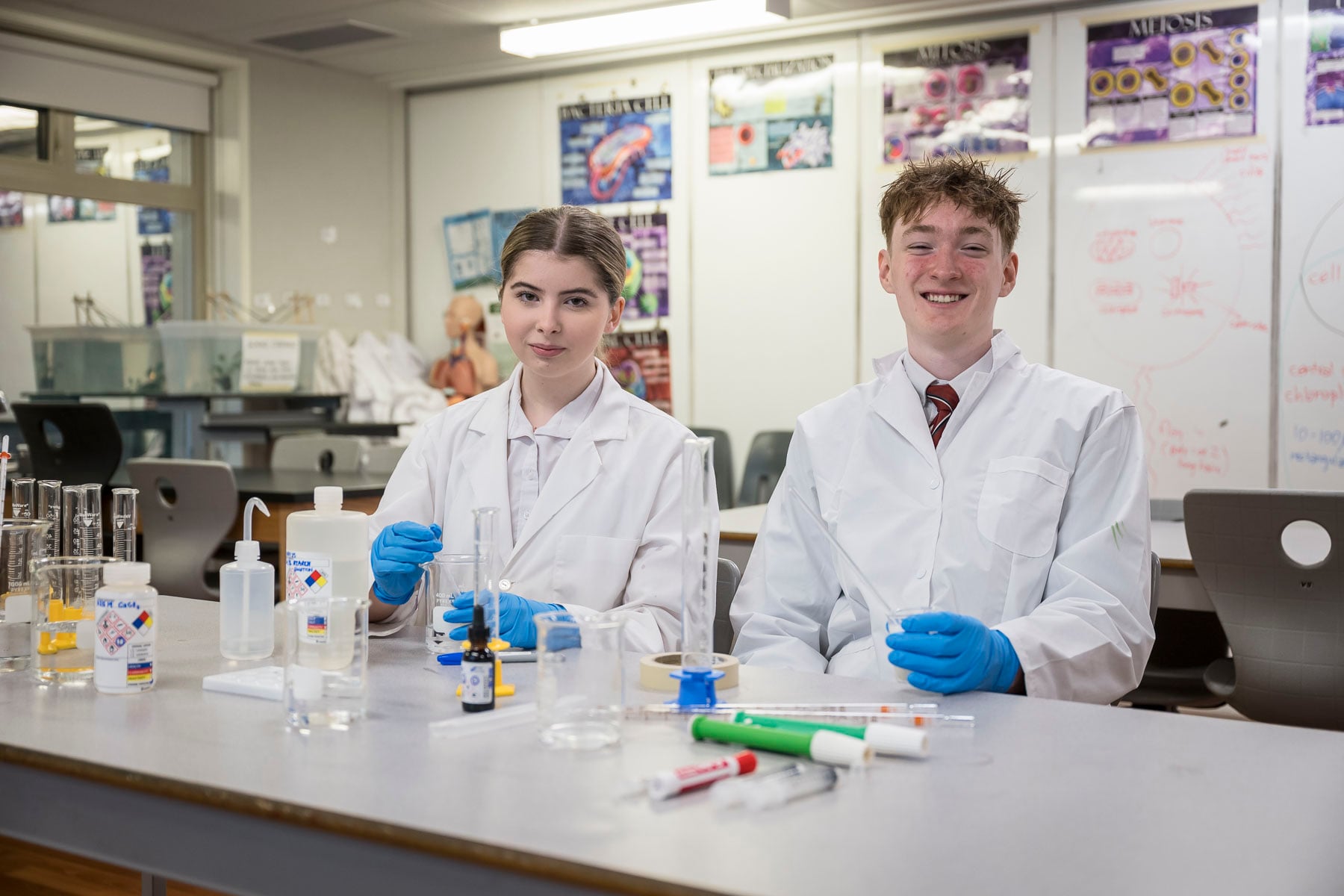
Brockton is one of 70 schools in the world to offer all four International Baccalaureate programmes: the Primary Years Programme, Middle Years Programme, Diploma Programme and the innovative Career-related Programme. These are some of the most recognized and respected programs in the world. Also, the school has an extensive co-curricular program of well over 60 different options. Students are exposed to a diversity of areas, often through highly experiential learning, that allows them to genuinely explore their interests and passions.
“A Brockton School education stands apart because we focus on the holistic development of the student that prepares them to thrive in an ever-changing world,” says Brockton’s head of school, Karen McCulla. “Amongst those preparations, and alongside a meaningful curriculum and an outstanding faculty, Brockton students graduate with a sense of purpose in this world—which is something that cannot be overstated.”
The school has a low six-to-one student-to-staff ratio with dedicated resources, so children receive personalized attention and strong mentorship. Brockton also has a diverse range of courses led by teachers who are experts in their field. The school offers over 100 courses across its graduating years alone. McCulla notes that a Brockton education is experiential, dynamic, filled with inquiry, considerate of different perspectives, reflective, innovative and much more.
At Brockton, students are not only seeking answers; they are asking questions and exploring what might be. “We need our youth to be curious, critical-thinking, compassionate, collaborative, communicative, self-aware, purpose-filled and inquiry-driven humans,” McCulla says. “This is a Brockton student. This is an outstanding human.”
Strong sense of community
Independent schools are often defined by their strong sense of community, from student-teacher connections to joining an extensive alumni network after graduation.
Small, intentional communities at independent schools foster a sense of belonging and collaboration and create lasting relationships that extend well after graduation. This community is reflected in the learning environment at St. Michaels University School (SMUS), an independent boarding school in Victoria for kids from junior kindergarten to grade 12.
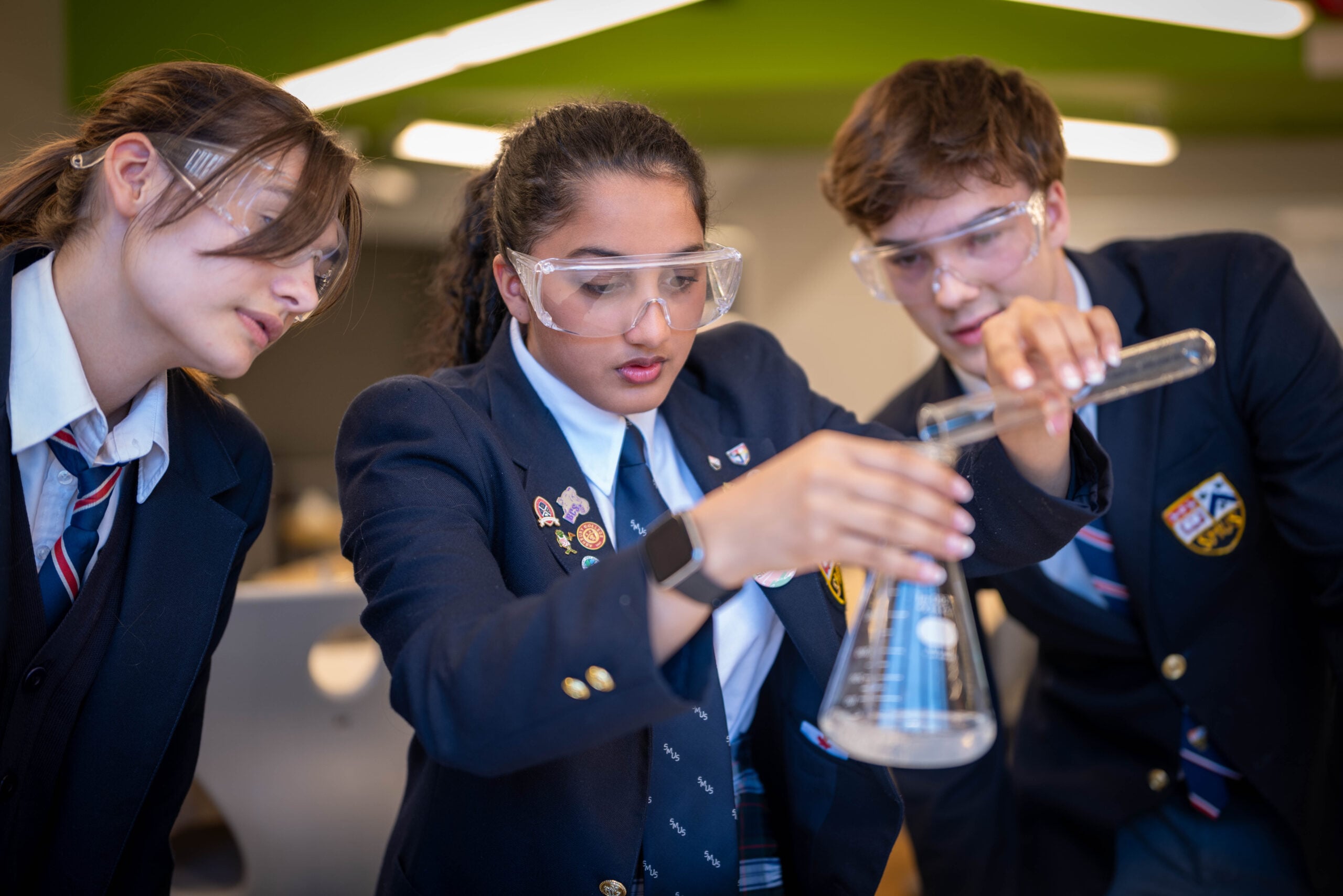
Within the classroom, community is evident. “Smaller class sizes and a strong culture of student support mean educators know their students well, can support their individual growth and can challenge them to reach their potential,” says Eliot Anderson, deputy head of school and director of the SMUS Senior School.
But this person-forward approach at SMUS extends to who students are as people, encouraging values of respect, honesty, courage and service.
“From extracurricular activities such as clubs and councils to service-learning opportunities, we encourage students to ask, ‘How can I make a meaningful impact?’” says Ruth McGhee, director of university counselling at SMUS. “Our school promotes lifelong learning and a growth mindset, both key qualities for adaptability to a changing job market.”
Ultimately, community at SMUS means instilling the character and skills to thrive in an ever-changing world so students are future-ready.
“We focus on what we can control by helping students understand themselves, their values and how to respond thoughtfully to challenges,” says Keith Driscoll, director of boarding and student life at SMUS. “When students have a strong sense of who they are, they are better equipped to adapt to anything.”
Anderson concludes: “Families also recognize the long-term value of an education that emphasizes character, leadership and belonging,” he says. “They want their children to graduate not only with strong academic foundations, but also with the confidence, adaptability and sense of responsibility needed to thrive.”
Adaptive and flexible curricula
Independent schools are nimble. Their flexibility allows them to adapt at the speed of change and adjust curriculum to align with global trends and emerging technologies like artificial intelligence, which is transforming education.
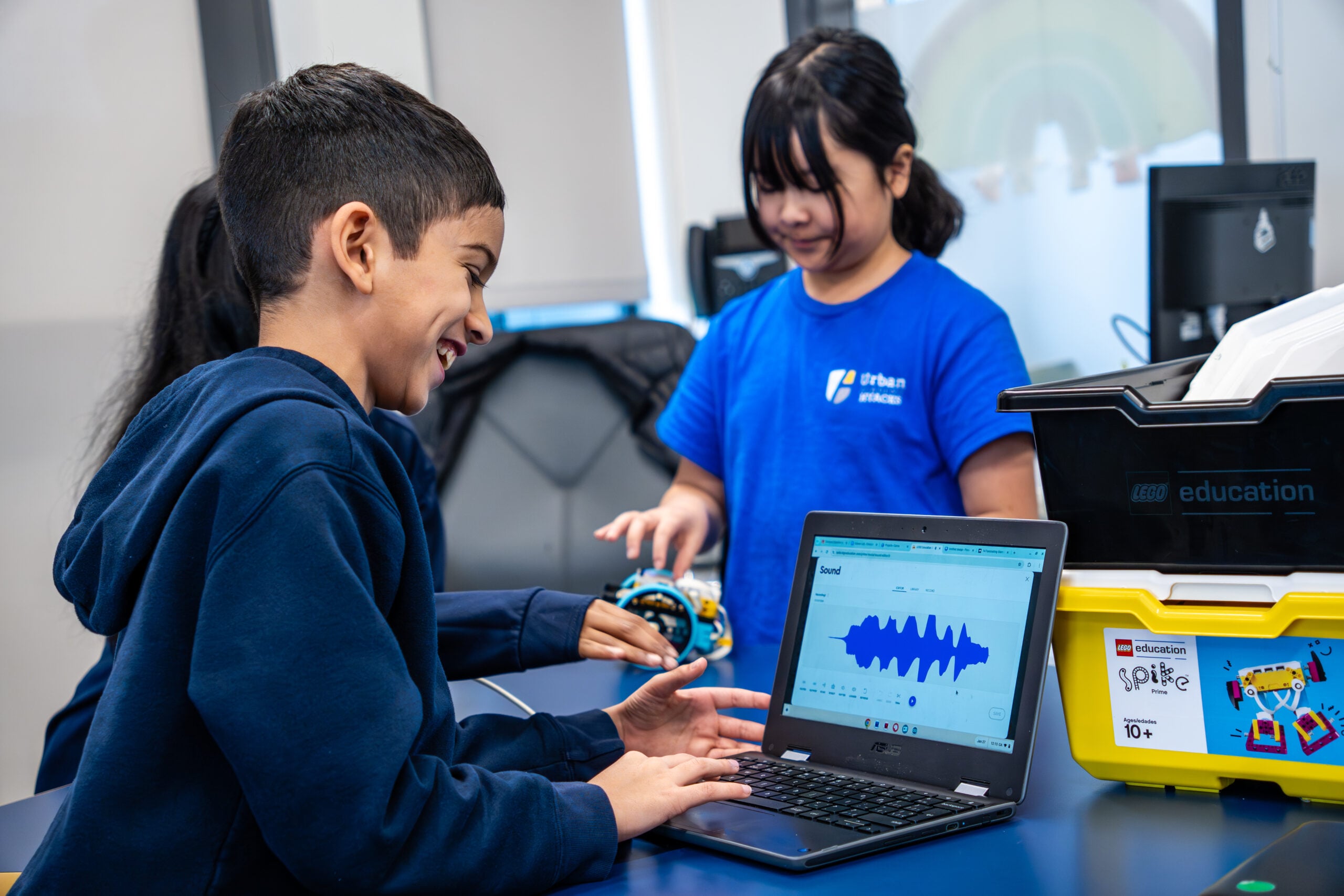
Institutions like Urban Academy, a junior kindergarten to grade 12 school in New Westminster, can bring in real-world readiness while still offering academic rigour and the ability for students to pursue a wide variety of interests. Whether that’s through its newly launched Applied Real-world Connections (ARC) Program in grades 8 and 9, computer science and economics Advanced Placement courses, hands-on robotics and engineering or a range of performing arts opportunities, Urban Academy allows students to jump wholeheartedly into their learning.
Here, educators encourage students to grow and challenge the status quo.
“Our entire educational design rests on three simple commitments: every student is known, every student is stretched and every student is future-ready,” says Mike Slinger, Urban Academy’s head of school. “Independent education gives us the freedom to meet students exactly where they are and provide the opportunities and challenges they need to thrive.”
By pairing cutting-edge tools with hands-on problem-solving, independent schools ensure students graduate as innovative creators ready to lead in an evolving digital landscape.
“Our goal is not simply to help students gain admission to top post-secondary institutions, though our graduates consistently achieve that,” Slinger says. “Our goal is to ensure they enter adulthood knowing who they are, confident in what they can achieve and ready to make a positive impact in their communities.”
Investing in the future of education
Independent schools have more freedom to invest in quality teaching and learning. They can commit to faculty professional development and innovation, ensuring high-impact teaching, the best resources and personalized learning.
“At Mulgrave, this includes a better teacher-to-student ratio, specialist teachers in areas such as languages, physical education and the performing arts to support learners from the earliest years. Our school also has rich data and assessment practices that help teachers understand where each student is in their learning. Coupled with that insight, we offer extensive professional learning and opportunities for teachers to collaborate and grow professionally,” says Rupi Samra-Gynane, deputy head of school at Mulgrave School, an independent IB school in West Vancouver for children from preschool to grade 12.
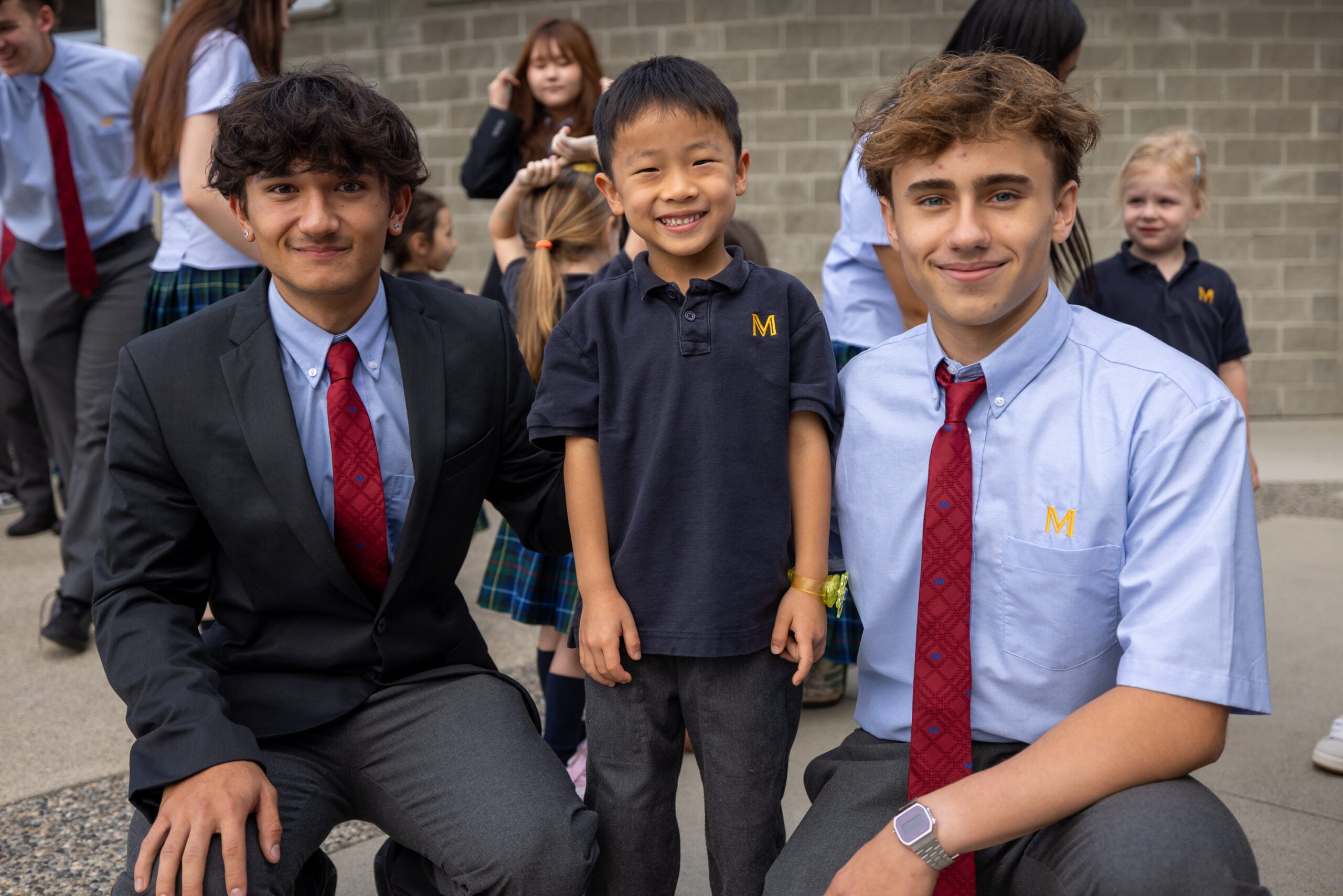
These investments give teachers greater capacity to know their students and support their individual growth. “Great teaching is not simply about delivering content,” she continues. “It’s about knowing students well, understanding how they learn, continually reflecting on and refining practice and creating the conditions in which students can be challenged, supported and inspired to grow.”
Independent schools have the flexibility and resources to be deliberate about their course offerings, and how they support educators who make that experience possible. “One of the strengths of independent schools is the ability to be intentional about the whole educational experience and to invest in the conditions that support it,” says Samra-Gynane. “Extensive co-curricular and experiential opportunities mean that students can explore a vast range of subject matter to build their skills and confidence in learning—whether it’s in the arts, STEM, athletics, outdoor education or leadership, our students can find the things that get them excited about learning.”
She concludes: “As a parent, I value having those opportunities available to my children, but I also value the importance of the relationships they have with the adults around them. For children to feel seen and understood is foundational; they know their teachers are genuinely invested in their growth.”
Learn more:
- Stratford Hall: stratfordhall.ca
- Glenlyon Norfolk School: mygns.ca
- Brockton School: brocktonschool.com
- St. Michaels University School: smus.ca
- Urban Academy: urbanacademy.ca
- Mulgrave School: mulgrave.com