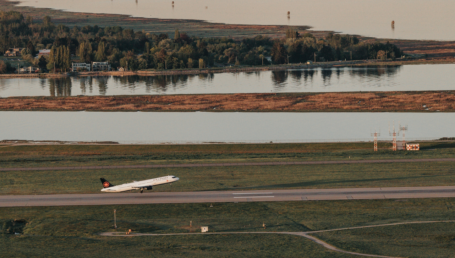

In January 1993, construction began at Vancouver International Airport (YVR) to bring two ambitious ideas to life.
Together, the North Runway and International Terminal expansion would enable the airport to add hundreds more flights every day, expanding its capacity to move both passengers and cargo, and building in key resilience for the future. Three years and $355 million later, the projects were completed, and the new infrastructure became operational in November 1996.
“Over the past 30 years, thousands of YVR employees, alongside our airport partners, Musqueam, and the broader community, have helped build an airport that connects British Columbia to the world while unlocking incredible value that continues to drive our economy here in Canada,” said Tamara Vrooman, President and CEO of Vancouver International Airport.
In 1996, YVR served 95 destinations and saw more than 14 million passengers. Today, it serves 130 destinations and sees over 26 million passengers, a 92 percent increase for the latter. Thirty years after the International Terminal Building Project and North Runway created the foundation for YVR’s growth, the airport continues to play an increasingly important economic role for B.C. and Canada amid global instability and trade uncertainty.
Advancing B.C.’s export economy
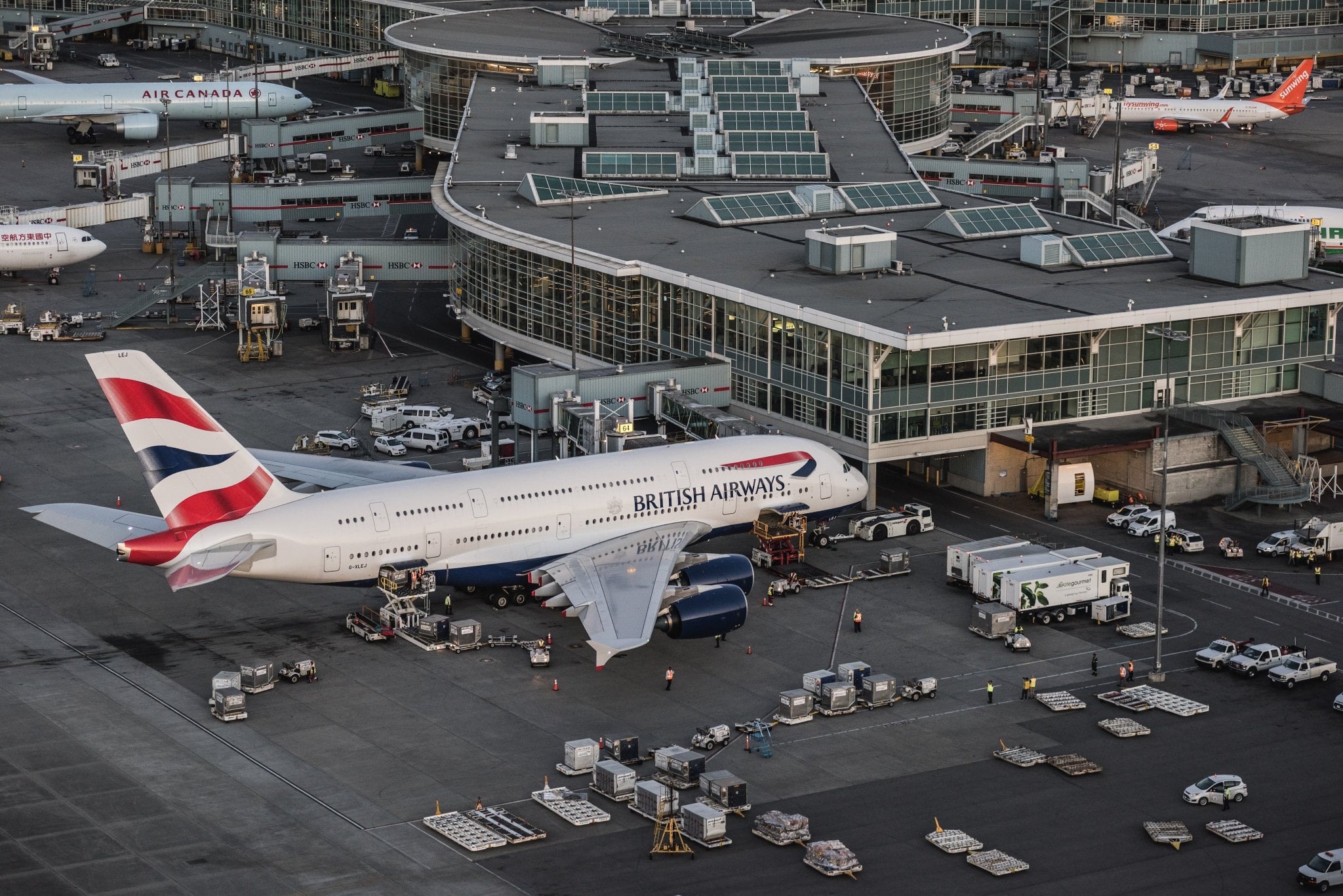
Since 1996, these investments have helped establish YVR as Canada’s Pacific gateway to Asia and beyond. YVR is Canada’s second-busiest airport for cargo operations, after Toronto Pearson International Airport, managing roughly 15 percent of Canada’s total air cargo volumes.
Many British Columbians and travellers flying through YVR may not realize the airport’s strength as a cargo importer and exporter: 65 to 70 percent of cargo moving through YVR travels in the bellies of passenger flights.
This strength is reflected in recent record-breaking numbers. In 2025, YVR handled approximately 365,000 tonnes of cargo, up 7.4 percent from 2024 and the highest annual cargo volume in the airport’s history. As of September 2026, volumes were up 13 percent year over year, driven in part by strong international activity from Asia and Europe, despite global trade instability. These shipments could include anything from fresh seafood and produce to critical minerals and machinery.
“YVR is more than an airport; it is a key economic driver for British Columbia and for Canada,” said Bridgitte Anderson, President and CEO of the Greater Vancouver Board of Trade. “The investments made at YVR 30 years ago and those the airport continues to make today have helped position British Columbia as a gateway to international markets, creating opportunities for local businesses to grow, compete, and reach customers around the world.”
YVR generates or enables an estimated $13.5 billion annually in provincial GDP, supporting 28,000 jobs on Sea Island and 115,000 jobs across the province.
Ready for takeoff
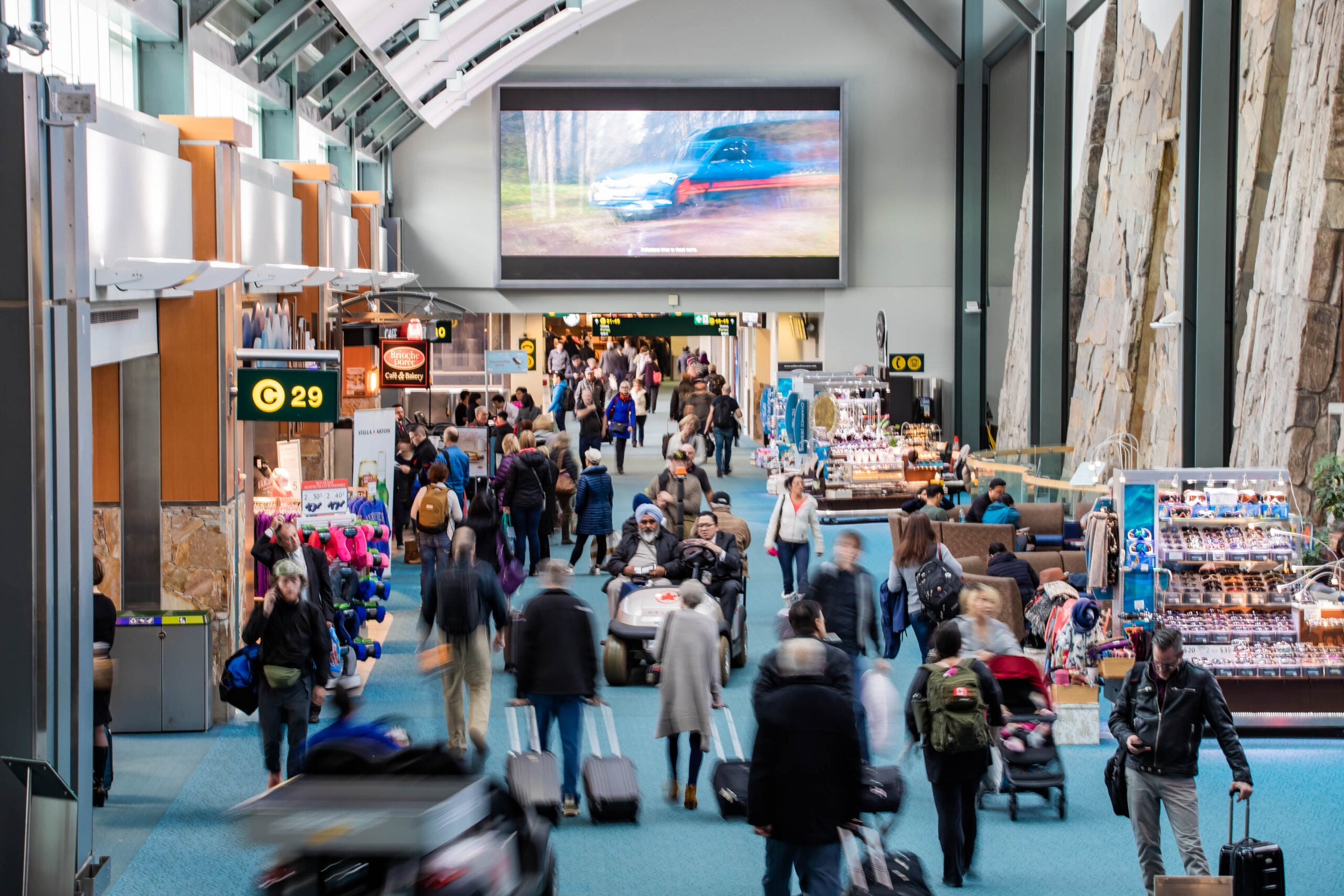
YVR’s economic strength has been on the rise over the span of the airport’s 95-year history, thanks to a continued commitment to infrastructure improvements. YVR further expanded the international terminal in 2018, adding eight new gates capable of accommodating larger aircraft. The North Runway also underwent important modernization work in 2025, done in partnership with Musqueam, to ensure the longevity of this critical piece of infrastructure.
YVR has plans to grow its role as a critical West Coast cargo hub. YVR has set a goal of doubling its annual cargo volume from 365,000 tonnes in 2025 to 730,000 tonnes by 2031, supported by strategic investments in new facilities, technology and innovation, and adding more flight networks to Asia Pacific and beyond.
“The strategic investments we continue to make today will shape YVR’s role in Canada’s economy for the future, just as the North Runway and International Terminal did 30 years ago,” added Vrooman. “By expanding our cargo capacity, investing in innovation, and further strengthening connections to global markets, we are positioning YVR to deliver for Canada for decades to come.”
What started as a big idea back in 1993 has left a legacy of infrastructure improvements that’s generated economic opportunity, connected B.C. to the world and paved the way for a stronger future.
Learn more about YVR and the legacy of these visionary investments at yvr.ca.
Connect on Instagram, LinkedIn and Facebook.