
From restoration to stakeholder engagement, these two Fort St. John-based firms are pairing technical expertise with local knowledge and Indigenous partnership.
Blackbird Environmental
When Matthias Loeseken noticed that environmental planning in Northern B.C. relied heavily on out-of-town consultants, he saw a gap. “Northern B.C. is an incredibly complex place, environmentally,” he shares. “Understanding the landscapes, wildlife patterns, seasonal conditions and communities that live here takes time and local experience.”
Loeseken founded Blackbird Environmental to bring that work closer to home, led by the belief that when environmental work is done by people rooted in the community who understand the landscape, the planning improves.
More than a decade later, the company has grown to 34 environmental professionals working across Northeast B.C. in wildlife work, regulatory planning, restoration and reclamation. Its edge lies in an Indigenous-led approach developed in partnership with Doig River First Nation, bringing together Western science and traditional ecological knowledge while creating opportunities for Nation members to shape environmental priorities and build careers in the field.
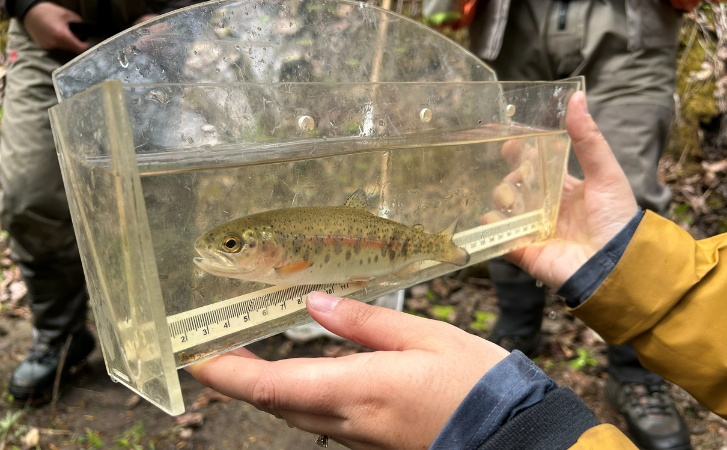
“Northeast B.C. has seen decades of industrial development, and many parts of the landscape carry historic footprints from that activity,” continues Loeseken. “Restoring and reclaiming those areas represents a major opportunity to improve ecological conditions while also creating meaningful economic opportunities connected to stewardship of the land.”
For Loeseken, that work is ultimately rooted in a deeper commitment to place. “There is something crazy rewarding about building a company in a place where you know and deeply appreciate the landscape and community.”
Roy Northern x Aim Land Services
Jordan Blouin believes land work begins with people—through conversation, presence and a deep respect for the history held in the land.
That ethos sits at the heart of a 2025 merger between Roy Northern Land and Environmental Services—which has been providing surface land, environmental and archaeological consulting for more than 40 years—and Aim Land Services, a Canadian net-zero company specializing in land, energy and environmental services. With roots in Fort St. John dating back to 2000, the newly combined team set out to expand its technical expertise and national reach while strengthening how it works alongside Indigenous communities.

Blouin, vice-president of technology and innovation, notes that the technical side of the work is only one layer. What moves projects forward is trust built through engagement with communities, regulators and Indigenous Nations whose knowledge of the land is grounded in generations of place. That approach shapes everything from landowner conversations to planning, while supporting Indigenous participation. “Our projects that stand out most are those where collaboration is critical—where success depends on listening, building trust and finding practical solutions that respect both the land and the people connected to it,” shares Blouin.
The work spans land acquisition, stakeholder engagement and environmental and reclamation planning—all guided by long-term relationships over transactional consulting.