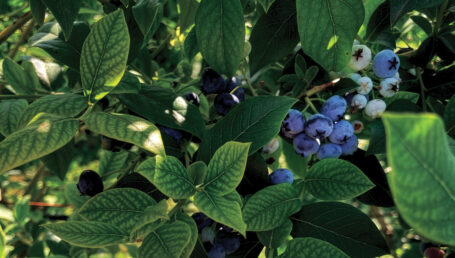

Greenhouse-grown B.C. produce is increasingly competing for shelf space once dominated by veggies and fruit trucked north from California or Mexico.
“There’s a real push from retailers and consumers for locally grown produce,” says Steven Newell, who, with his brother John, co-founded Delta’s Windset Farms, which is the largest lit greenhouse operation in Western North America. “It comes off the plant with brighter colour, and way fresher. And they smell like they were grown in grandma’s backyard.”
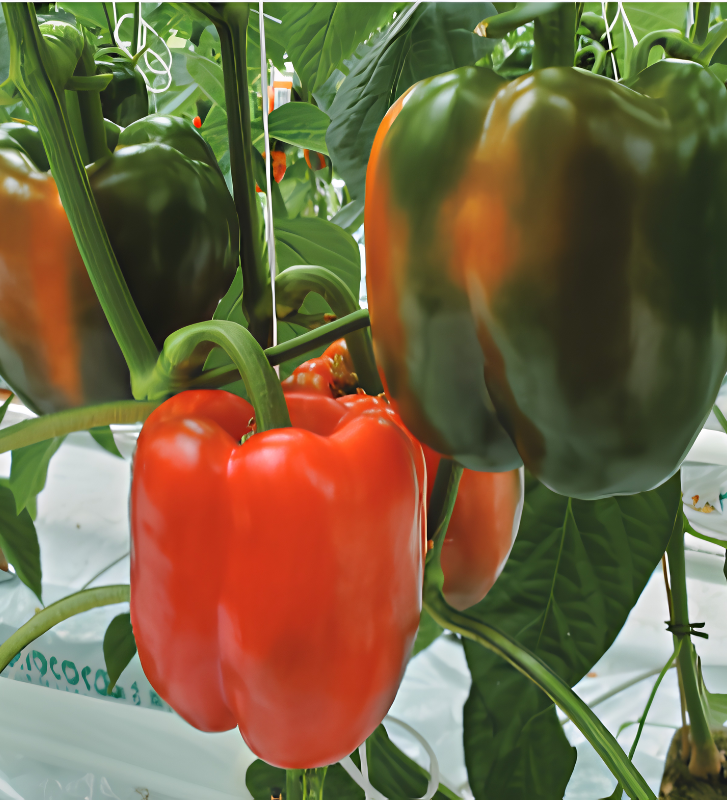
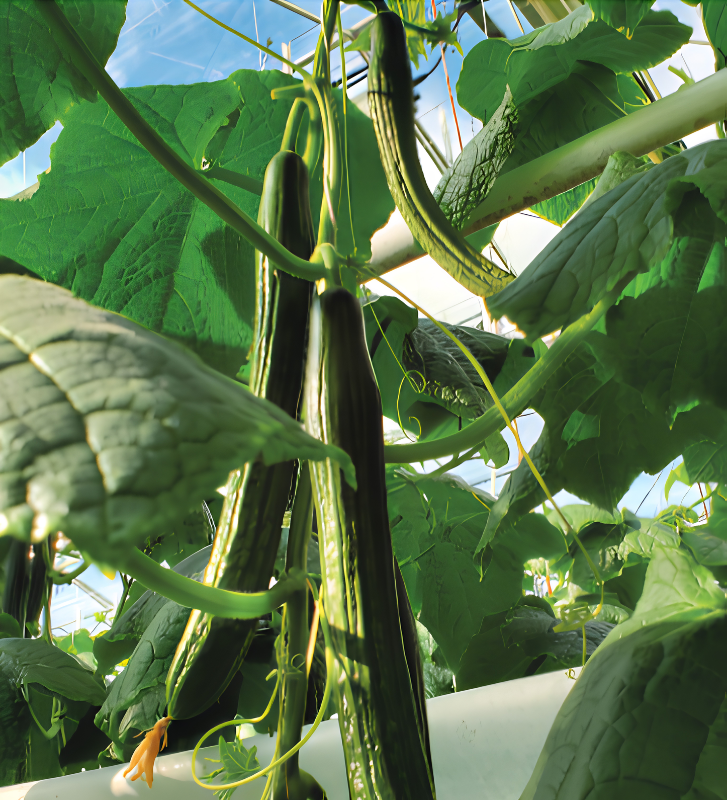
For shoppers, the change is visible in the grocery cart. They’re eating more local produce, including seedless cukes and “snackable” small, tasty peppers even a kid can love.
Behind it are years of investment by greenhouse operators in advanced growing systems, energy-efficient LED lighting and facilities capable of producing vegetables through the darkest months of the year.
BC Hydro has become a key part of that transformation. Its clean, reliable electricity powers increasingly sophisticated greenhouse operations, while technical expertise, energy management programs and incentives have helped growers adopt LEDs and other efficiency measures that make year-round production more economically viable.
The result is an economic development story about growers—most of them family-run—investing, expanding and creating jobs in B.C., buoyed by the confidence that the province can support their growth.
More food from a small footprint
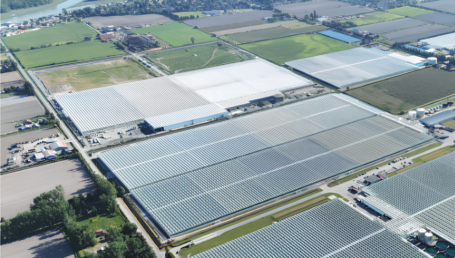
B.C. has more than 6 million square metres of total greenhouse space—most of it used to produce fruit, vegetables and flowers. That makes B.C. the second-largest greenhouse province after Ontario.
B.C.’s greenhouses punch far above their weight. While our entire commercial greenhouse area is only about one and a half times the size of Vancouver’s Stanley Park, technology helps us generate extraordinary volumes of food.
Computer-controlled irrigation, climate management, carbon-dioxide enrichment and supplemental lighting can allow growers to produce much higher yields than outdoor farming. According to The Greenhouse Boom, a 2023 RBC Climate Action Institute report, the yield of tomatoes, peppers, cucumbers, lettuce and strawberries in greenhouses is around 8.5 times more, per area of land, than Canadian field production.
The widespread use of biological pest control in B.C. greenhouses is also a big plus. It can lessen reliance on chemical pesticides, potentially reducing some of the environmental and ecological impacts commonly associated with pesticide use in field-grown crops.
While tomatoes, peppers and cucumbers remain the core of the industry, everything from lettuce to strawberries is now in the mix. And while we’re eating more of our own produce, a significant chunk of Canadian greenhouse produce in 2024 was exported: 44.5 percent of our cucumbers, 34 percent of our tomatoes and 21.5 percent of our peppers.
How fast has B.C.’s greenhouse produce industry grown?
- The value of annual greenhouse tomato production has more than doubled since 2000 to $155.6 million in sales in 2025.
- The cucumber crop hit $86 million in sales in 2025, more than five times the sales in 2000.
- Greenhouse peppers accounted for a whopping $177.2 million in sales last year.
Topping up the winter sun
Greenhouses remain largely dependent on natural sunlight. Glass roofs are designed to capture as much daylight as possible, while sophisticated control systems track the amount of usable light reaching the plants.
On a bright summer day, the sun may provide nearly everything a crop needs. During a rainy December morning in the Lower Mainland, it may provide only a fraction.
That’s where LED fixtures come in. They can turn on before sunrise, supplement daylight during cloudy periods and extend the growing day after sunset. Rather than replacing the sun, energy-efficient LEDs—with features that can be tuned by colour spectrum and intensity to maximize growth—top up available sunlight to ensure healthy growth and production.
Older high-pressure sodium, or HPS, fixtures helped extend growing seasons but used substantially more electricity and produced considerable heat. Modern horticultural LEDs convert more electricity into usable plant light, last longer and give growers greater control over lighting intensity and duration.
At Langley’s Glenwood Valley Farms, the progression of lighting technology has unfolded over decades. Founded by the Schlacht family in 1987, Glenwood Valley has been a force for greenhouse LED adoption in B.C.
“Over the years, I think Glenwood Valley Farms has used almost every efficient LED type that has showed up on the market,” says Ivana Nikolic, a BC Hydro senior key account manager. “They’re forward thinking, and open to innovation.”
Three completed LED projects at Glenwood have saved close to seven gigawatt-hours of electricity and cut lighting energy use by about 55 percent compared with older technology. The company has also participated in BC Hydro’s industrial energy management programs. And it recently reduced its electricity load by one megawatt—about one-third of its total consumption—as part of BC Hydro’s demand response program that credits customer accounts as they reduce their power use during brief periods of peak demand on the electrical grid.
The confidence to invest
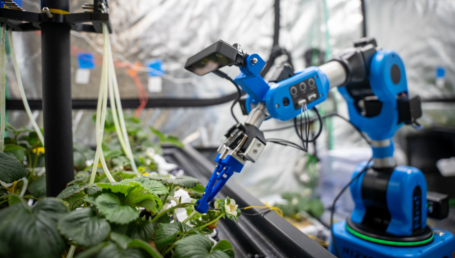
Modern greenhouses increasingly resemble advanced food-production facilities as much as traditional farms.
Lighting, irrigation pumps, heating, ventilation, climate controls and automation must work together continuously. Those systems represent major capital commitments, making access to reliable electricity—and confidence about long-term energy costs and infrastructure—central to investment decisions.
“For greenhouse growers, clean and low-cost electricity is one of B.C.’s biggest advantages,” says Shirvan Bakhtiyari, founder of Millennium Pacific. “It allows greenhouse growers to invest in lit production, improve winter supply, reduce reliance on imported product and grow with a lower-carbon energy profile.”
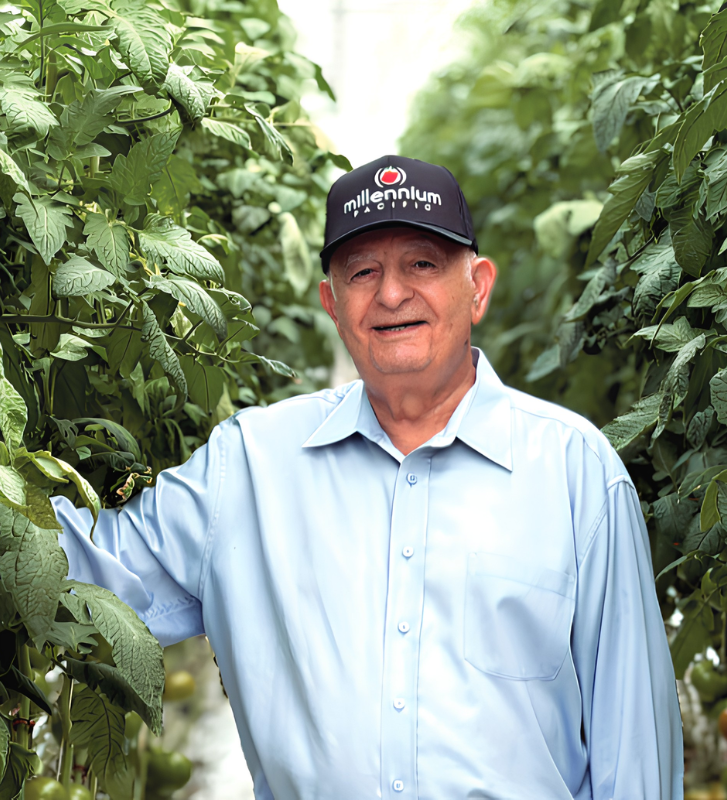
The technology required to deliver energy efficiency and increased productivity isn’t inexpensive. But there’s help.
“Incentives matter because the capital cost of greenhouse technology is very high,” Bakhtiyari says.
Bakhtiyari arrived in Canada from Kuwait and initially bought and sold houses before purchasing farmland and building a greenhouse business. Millennium Pacific’s newly constructed greenhouse leans on LED lighting—supported by BC Hydro incentives—to strengthen winter production as it expands its greenhouse space in Delta.
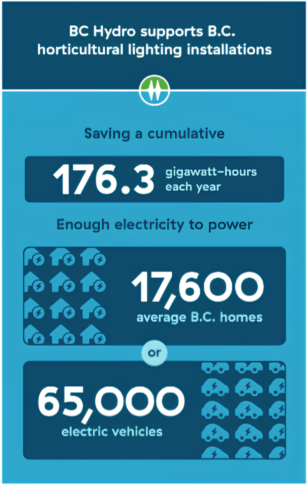
Across the sector, the cumulative impact is substantial. Horticultural lighting installations supported by BC Hydro are saving a cumulative 176.3 million kilowatt-hours each year—enough electricity to power about 17,600 average B.C. homes or drive 65,000 electric vehicles for a year.
That support can influence not only which technologies companies install, but also where they choose to expand.
Freshness shoppers can see
For consumers, all that investment ultimately shows up as fresher produce.
Vegetables grown in Delta, Langley or Abbotsford can generally reach B.C. stores within one to three days of being picked. Imported vegetables may travel for days and are generally harvested before they’re at their tastiest to withstand long-distance transportation.
That B.C.-grown freshness now aligns with broader consumer interest in healthier food, shorter supply chains and products carrying Buy B.C. or Grown in Canada labels.
With BC Hydro’s assistance, farms such as Perpetual Vegetable in Abbotsford are growing as fast as their supercharged fruit and veggies.
“With the new technologies we’re able to double our production and our size using the same energy footprint—and that’s huge,” says Vijay Randhawa, whose father founded what was known as Randhawa Farms and is now Perpetual Vegetable. “We have the confidence to expand, and it’s all very sustainable. It’s great to produce food knowing that the power we use comes from hydroelectric dams, not from coal or some other fossil fuel.”
It also tastes better. When we reach for a package of B.C.-grown veggies or strawberries in January, it’s not just about buying local. Why eat an imported strawberry that’s white inside, a pale imitation of the real thing?
“If you try a B.C. greenhouse strawberry, it’s juicy and sweet,” says Eric Doublier, general manager of Glenwood Valley Farms, which will be sending strawberries to local retailers this winter. “Hopefully, we can supply enough to meet the demand.”
Get more information at bchydro.com/businessprograms, contact your BC Hydro key account manager, or email at [email protected].

Connect with BC Hydro on Facebook, Instagram, YouTube, X and LinkedIn.