
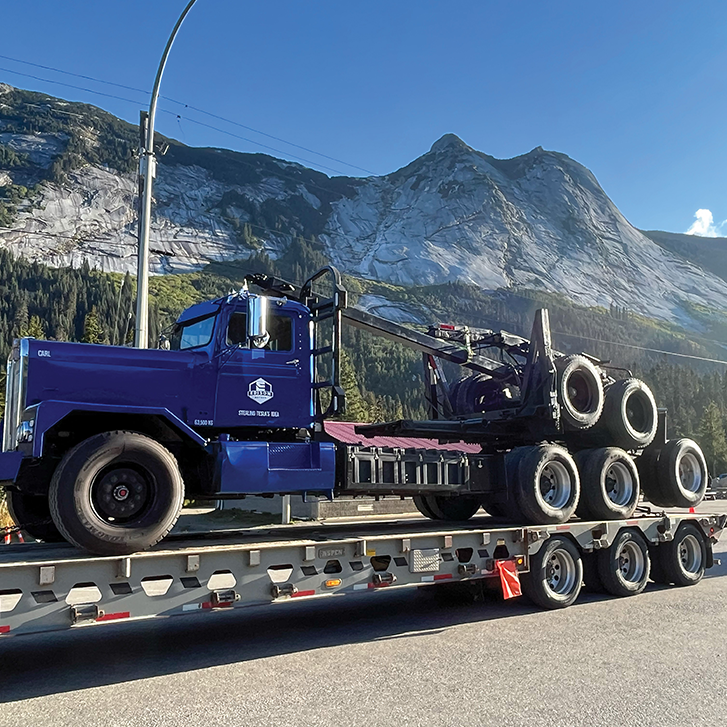
Earlier this year Edison Motors bought a 305-acre industrial site in Golden where it is putting the finishing touches on a 30,000-square-foot building. The plan is to manufacture up to 500 heavy-duty diesel and hybrid electric trucks per year here for the forestry, mining, energy, construction and utilities industries endemic to western Canada. The first mechanical diesel truck for sale is scheduled to roll off the production line in 2026 and the first diesel-electric hybrid the year after.
“We got tired of waiting for the Tesla semi to come about,” co-founder and president Chace Barber jokes in a company video. (The Edison name is a glib reference to inventor Thomas Edison stealing rival Nikola Tesla’s ideas.) Raising $9.5 million through crowdfunding since 2021, the founders—loggers, drivers and mechanics who saw an underserved niche for greener, cheaper transportation solutions in their industries—developed prototypes at a garage in Merritt and are now almost ready to start manufacturing in Golden.

Truck-making may yet prove a tough place to find traction, but the Kootenay region has a history of launching surprisingly successful startups in sectors you wouldn’t expect to find along the scenic backroads of B.C.’s mountainous southeastern corner. In 2017 organic, fair-trade coffee brand Kicking Horse Coffee Roasters of Invermere sold to Italian beverage giant Lavazzo for $215 million. That same year, Nelson’s Pacific Insight Electronics, a designer of LED interior lighting systems for cars, was acquired by Methode Electronics Corp. of Chicago for $144 million. Software developer Fulcrum Management Solutions, better known by its platform name, ThoughtExchange, hails from Rossland. All three organizations still operate in the region.
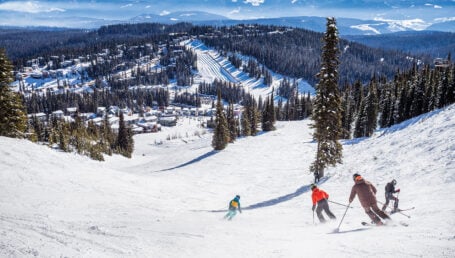
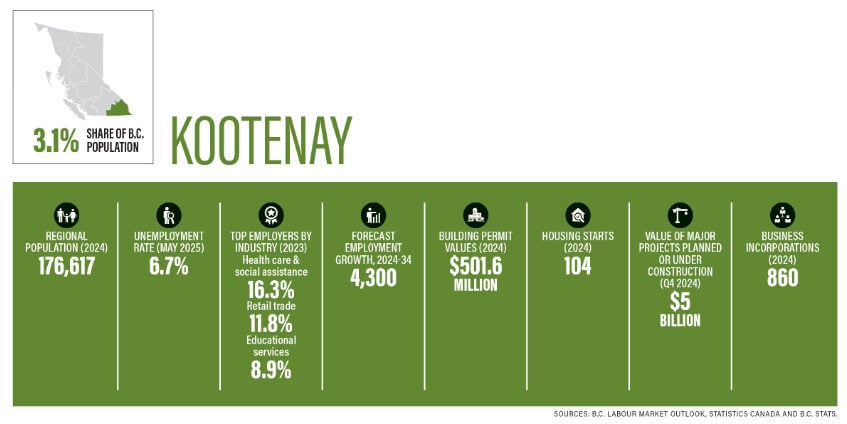
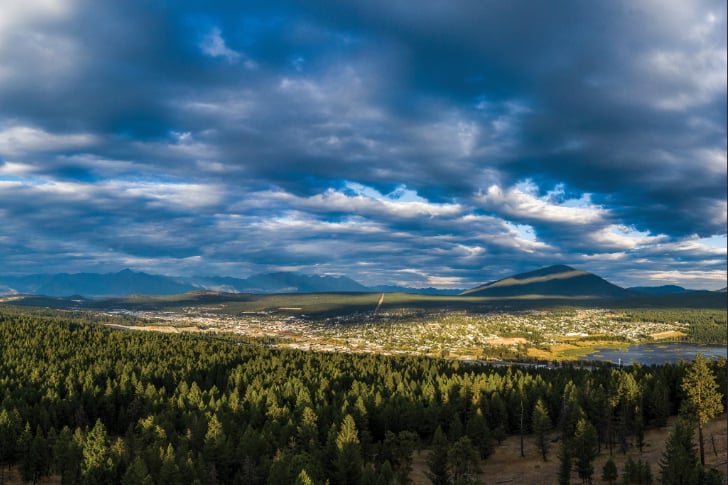
Boasting no big cities—the largest is Cranbrook, population 22,000—the Kootenay region is nonetheless well endowed with prospective entrepreneurs with drive and skills. Many of them are migrants from larger centres in search of a quieter, more affordable lifestyle amid outstanding natural beauty and recreational opportunities. Sporting sparkling clear lakes, ski resorts, destination golf courses and high-alpine hiking, it’s a great place just to be.
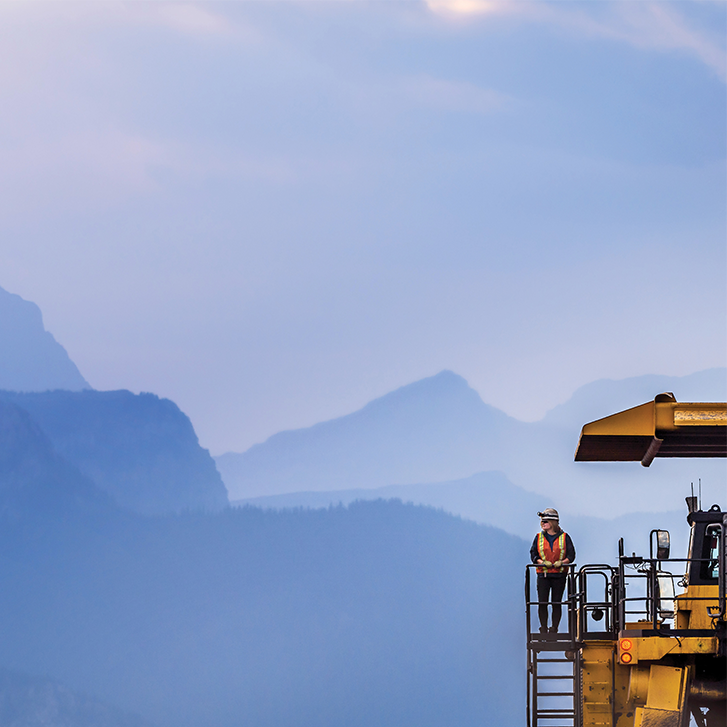
Legacy industries such as mining, smelting, forest products, hydropower and farming still form the backbone of the Kootenay economy. Elk Valley Resources, acquired last year by Glencore plc of Switzerland, runs a cluster of metallurgical coal mines near Sparwood, while Teck Resources operates a lead-zinc smelter in Trail. But non-traditional industries are popping up all the time.
Grassroots initiatives
Gregg Berg, special projects and self-employment manager with Kootenay Employment Services, got a sense of the region’s potential while administering the Rural Entrepreneurship Development (RED) program between 2023 and earlier this year. The program won funding from the province’s Rural Economic Diversification and Infrastructure Program (REDIP) to recruit and help finance 22 startups and small business expansions across the Kootenays. Following criteria agreed on through community consultation, the ventures included a daycare that doubled its number of child-care spaces from seven to 14, a bakery, a solar panel supplier and an arborist using battery-powered tools. The $2.8 million in program funding resulted in $7 million in additional economic activity and created the equivalent of 25 full-time jobs, earning Kootenay Employment Services the Community Resiliency Award (Community more than 25,000 population) at this year’s BCEDA Economic Summit.
Another award, for Economic Development Marketing Innovation (Community 10,000 to 25,000 population), went to the City of Cranbrook this year for its Choose Cranbrook special-purpose website. Cranbrook is unique in that it serves as the regional hub for the Kootenays, explains economic development officer Darren Brewer. It’s also not, like some of its neighbours, a resort municipality focused on attracting tourists.
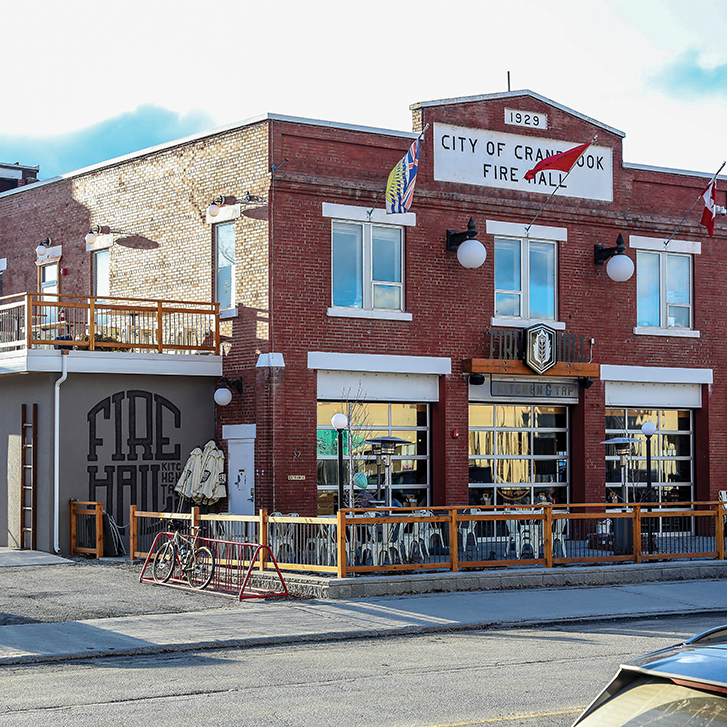
Choose Cranbrook is instead devoted to attracting permanent residents, companies and investment. It features a Newcomers Guide with information on everything from finding a family doctor to locating local faith communities. It also has a data portal containing quick facts about the local economy and background on the area as the homeland of the Ktunaxa people who, through various agencies, are key players in the Kootenay business landscape. The website has helped push the viewers of Cranbrook’s YouTube videos over 10,000.
Brewer hopes the next new industry to call the Kootenays home will be aerospace. Cranbrook is seeking to attract an aviation or logistics company to a 52-acre parcel it owns next to the Canadian Rockies International Airport. “We had our busiest month ever in June,” he notes. “We had more than 15,000 passengers come through.”