
Bella Coola, on B.C.’s central coast, lies nestled in the heart of the Great Bear Rainforest, in the traditional territory of the Nuxalk First Nation. It’s a wild, remote place full of natural beauty, with giant ancient cedars, Sitka spruce and Douglas firs towering over the shoreline, hills and valley.
The lush wilderness is the primary lure for tourists to the area, but nature and the rugged terrain also make Bella Coola hard to reach. BC Ferries runs passenger sailings to Port Hardy seasonally from mid-June until mid-September. Williams Lake is about five and a half hours of rough driving away.
Pacific Coastal Airlines provides daily flights from Bella Coola’s airport. But by 2016, trees surrounding the runway were growing into obstacles that restricted the types of aircraft that could safely land here. The airline pared back to 60 to 80 percent of its operating capacity. That limited the inflow of visitors and also reduced opportunities for residents to fly out for medical visits and other purposes.
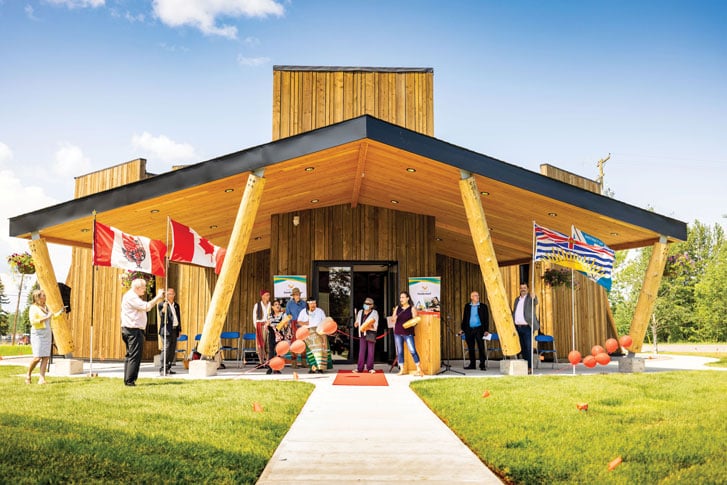
So, in 2017, the airport spent $380,700 to clear 21 hectares of land and restore the vital transportation link to its full capacity. Bella Coola is an unincorporated community with a little more than 2,000 people living in its valley. There isn’t a large municipal tax base, so three outside organizations teamed up to provide funding: the Ministry of Transportation and Infrastructure, Central Coast Regional District and Northern Development Initiative Trust.
Communities all across the province need infrastructure upgrades and programs to help with economic and community development. And, like they did for Bella Coola, regional economic development trusts like Northern Development can provide critical support where government support is not sufficient or available. Northern Development contributed $95,175 to the Bella Coola airport upgrade through its economic diversification infrastructure program.
A network of trusts
B.C. has three regional economic development trusts that serve different areas of the province: Northern Development Initiative Trust (NDIT), Island Coastal Economic Trust (ICET) and Economic Trust of the Southern Interior (ETSI-BC). They were established between 2004 and 2006 by the province to support economic diversification, job creation and community-led infrastructure projects.
These independent, not-for-profit trusts manage funds from an initial capital endowment, so they’re not dependent on ongoing funding from the provincial government. This structure ensures the trusts are financially sustainable and responsive to the regions they serve, while easing some of the burden borne by taxpayers.
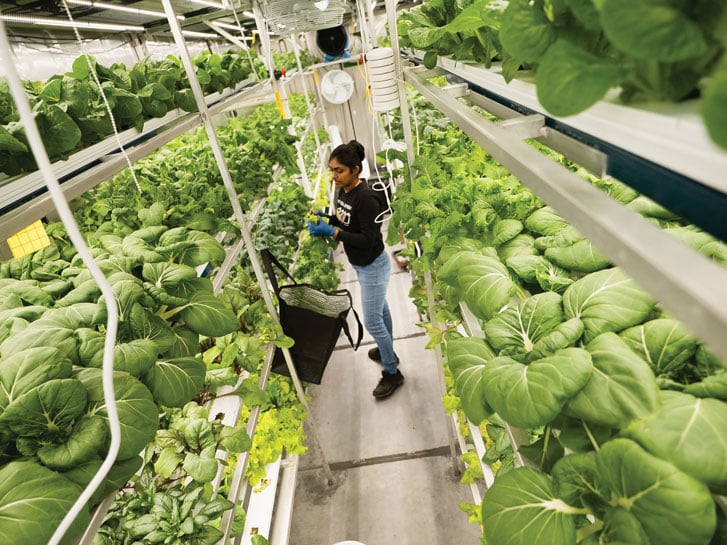
Northern Development covers the largest geographic region of these trusts, encompassing 70 percent of the province, including 49 municipalities and 89 First Nations. It includes most of the province north of Lytton. Its CEO, Ben Campbell, says its initial capitalization of $185 million is invested through the British Columbia Investment Management Corporation and has grown to more than $300 million. NDIT only grants out its returns on investment, meaning it can fund $10-50 million per year for its core programs.
“Our mandate is to act as a catalyst for transformative rural development that stimulates entrepreneurial creativity and community resiliency,” Campbell notes. The trust divides its territory into four regions, each with its own regional advisory committee of local government leaders that adjudicates project applications. “The best economic development decisions for the North should be made in the North,” Campbell explains.
The goal: Jobs and new industries
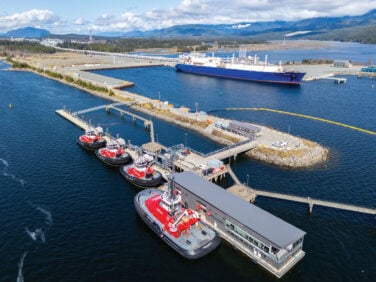
Island Coastal Economic Trust serves B.C.’s coastal communities from the northern tip of Vancouver Island down through the Southern Gulf Islands. “We’ve been a big part of Vancouver Island and the coastal economy through major projects like the Nanaimo Airport and Vancouver Island Convention Centre,” says CEO Brodie Guy. “Harbours and marinas in almost every coastal community have been expanded or diversified with our investments. And there are just so many smaller non-profits, and amazing First Nations businesses too.”
Guy explains his trust’s role: “We’re not government; we’re a private source of capital. So we’re no different from going to the bank, except that we’re not looking for repayment.” Instead, the trust wants to see new jobs, a diversified economy or a new economic sector as the return on its investments.
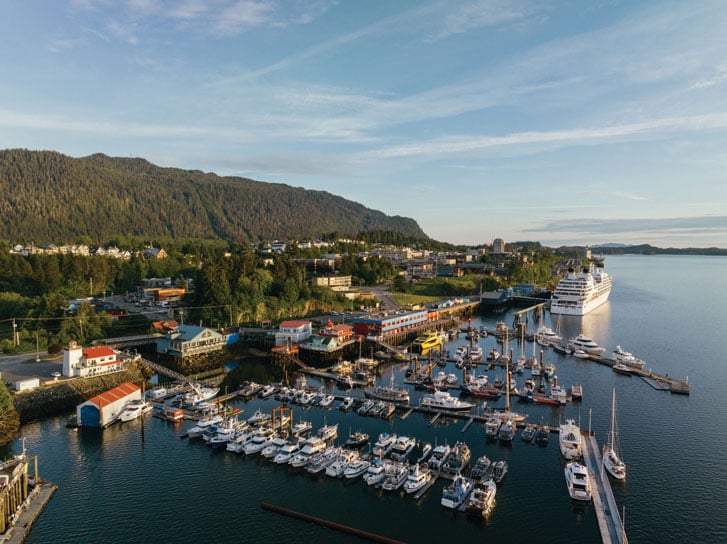
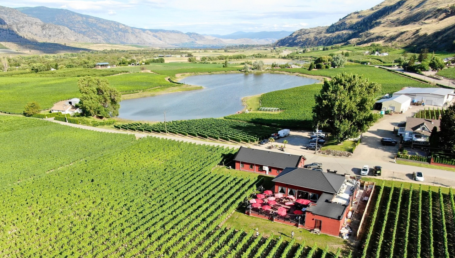
Economic Trust of the Southern Interior serves the Thompson-Okanagan and Columbia-Kootenay regions of B.C. Like the other economic trusts, ETSI-BC supports infrastructure projects that improve economic capacity, like a $40,000 grant to upgrade conference facilities at Silver Star Resort, near Vernon.
But ETSI-BC, led by CEO Laurel Douglas, also emphasizes providing access to educational resources, training and networking opportunities for businesses, local government officials and economic development practitioners. It supports the annual, two-day Big Cheese festival in Armstrong, for example, and meetings such as the Southeastern BC Agriculture Forum to discuss industry responses to climate change.
Finger on the pulse
Each of these trusts operates a little differently, but each is intimately connected with the communities it serves. “We strive to make sure that we have long-term relationships with anybody that wants to provide an application,” says Campbell.
Guy describes how he stays in touch with businesses and organizations in his region: “We’re based out of the Comox Valley, but we travel up and down the Island, and then to the other islands and communities around the coast, really frequently. We just have our finger on the pulse and understand what people are looking to build.”