
Canada is experiencing an unprecedented amount of wealth being passed down from older generations to younger ones.
An estimated $124 trillion (USD) is expected to move from baby boomers and older to younger generations by 2048, according to Cerulli Associates. In Canada, roughly $1-2 trillion is estimated to have passed down to Generation X and millennials over the past three years alone.
This phenomenon—known as the “Great Wealth Transfer”—involves more than just money. Real estate, investments and business assets are being passed down, too.
A crucial part of planning for this transfer is updating your will and estate.
Where there’s a will
It’s estimated that less than half of Canadians have a will. But of those who do, charities are increasingly being included as beneficiaries.
A recent report from the Canadian Association of Gift Planners found that the number of Canadians leaving a donation to charity in their wills doubled to 10 percent in 2025 from 5 percent in 2019.
Though legacy giving is growing, there’s still a long way to go. “Only 10 percent is still a fairly small number of people,” says Nicky Calvert, development officer, legacy giving, at Union Gospel Mission (UGM) in Vancouver. “With wills, there is so much opportunity to invest in the things that matter to you the most.”

UGM offers a continuum of care for those experiencing poverty, homelessness and addiction, and its services include daily meals, safe shelter and recovery programs. Since the organization started in 1940, it’s expanded to support nine locations around the province. “Legacy gifts give us the confidence that we can keep our doors open, we can keep our programs running,” says Calvert.
Every estate is very different, she notes, but a legacy gift in one’s will is often the largest gift a person gives in their lifetime. That can cause some people to take their time when planning, something that Calvert says is understandable. “People are often more inclined to give a charitable bequest when they change their will in their 60s or 70s, when their kids are grown up and financially independent,” she notes.
“But it’s quite surprising how much wealth we can actually accumulate without realizing,” adds Calvert. “If you leave a residual gift in your will for a charity, you can still have an impact no matter the size of your estate, or at what age you make your will.”
Calvert encourages anyone considering leaving UGM a donation in their will to reach out. “Making a will can be quite emotional,” she says, noting that she’s leaving a gift to UGM in her own will. “My legacy gift being used to restore lives and bring hope means that my legacy will live on in the lives of those that UGM has been able to help.”
Every contribution matters
Indeed, many charities rely on legacy gifts to fund their mission, supporting organizations in ways that governments, private enterprises or other fundraising entities cannot.
For Burnaby Hospital & Community Foundation, legacy gifts left in a will support Burnaby Hospital’s medical teams by providing the tools and technology to offer high-quality care for patients in Burnaby, East Vancouver and beyond. These gifts ultimately assist in making earlier diagnoses, providing more effective treatment and comfort for patients and their families.
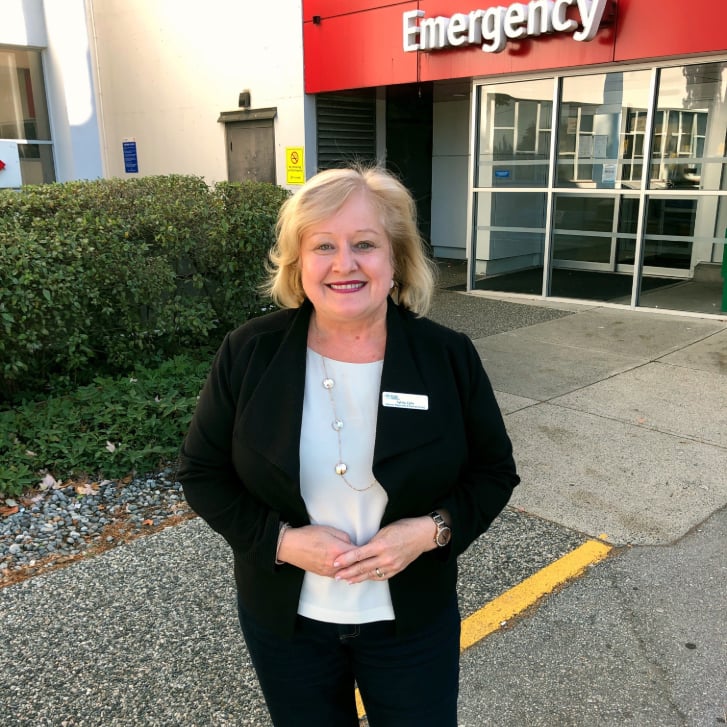
“Gifts of any size have an impact,” says Sylvia Zylla, legacy giving with Burnaby Hospital & Community Foundation, “whether an individual decides to leave a fixed amount, a percentage of their estate or what remains after providing for loved ones.”
Certainly, it’s the latter concern—supporting family—that often leads to common misconceptions toward legacy giving. Leaving a gift to charity in your will and providing for loved ones are not mutually exclusive.
“It is natural to prioritize loved ones in a will,” explains Zylla. Many organizations, including Burnaby Hospital & Community Foundation, often work with lawyers, notaries, accountants and financial advisors to support those considering leaving a charitable gift in their will. “Estate planning allows a person to provide for their loved ones while still supporting causes that matter to the individual.”
Zylla adds: “The very first step in considering a legacy gift is reflecting on one’s charitable goals and values and then contemplating which organizations’ missions aligns with these aspirations.”
Thoughtful process
This moment of reflection—thinking about your values and what impact you’d like to have—can be quite personal. “Your will is an opportunity to communicate what matters most to you,” says Diana Li, executive director, gift & estate planning, at BC Cancer Foundation. Despite it being deeply personal and emotional, it’s still important to discuss your wishes with your family and professional advisors.

“Taking the time to discuss your estate plans with loved ones can help ensure your wishes are understood, manage expectations and prevent potential misunderstandings in the future,” she says.
Legacy donations in an individual’s estate plan (often a will) might take different forms: a fixed amount of money, a percentage of an estate, specific assets like property or securities, establishing a charitable trust, giving through a life insurance policy or adding the charity as a beneficiary of a registered account, such as an RRSP, RRIF or TFSA.
“We’re seeing growing interest in both online estate planning and tax-smart giving strategies,” says Li. “More Canadians are using online will platforms, making it easier, more accessible and more affordable to create or update their estate plans.”
Through BC Cancer Foundation’s partnership with Epilogue, supporters can create or update their wills online. “For those with more complex circumstances or specific wishes, we continue to encourage consultation with professional advisors,” adds Li. “We’re also seeing increased interest in gifts of appreciated securities, both during a donor’s lifetime and through an estate plan, as they can offer significant tax advantages while maximizing charitable impact.”
Will power
British Columbians aged 16 and older who are mentally capable can legally create a will. With the rise of online estate planning platforms, will-making is becoming more convenient and accessible for people of all ages—not just older generations.
“Young families need wills because a will is the single most important tool for protecting their children, their home and their future,” says Kim Findlay, divisional secretary, public relations & development, with The Salvation Army British Columbia Division.
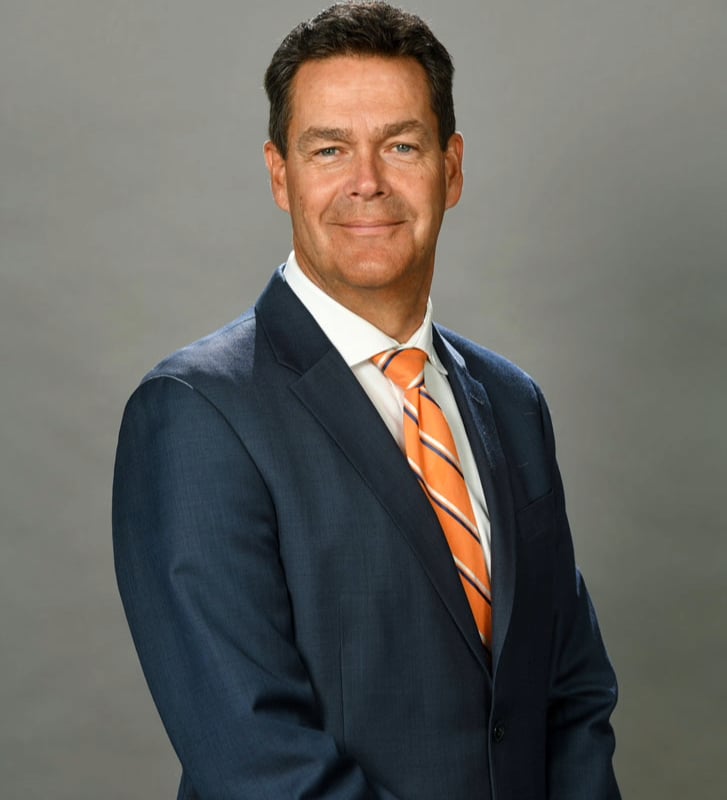
For young families, making a will lets parents name a trusted guardian, ensure financial security for their kids and outline how their estate should be managed in the unexpected event of a crisis. “For young families, a will is not just a legal document,” adds Findlay, “it is an act of care, stability and long-term planning that safeguards the people who matter most.”
In this sense, anybody with a will can leave a legacy gift, regardless of the size. Plus, wills can be updated throughout a person’s life to reflect their financial situation and what’s important.
“Most of our legacy gifts come from everyday Canadians who simply want their values to live on,” says Findlay. “Legacy giving is really about intention, not wealth, and it allows donors of all backgrounds to create a lasting expression of care for their community.”
As much as 40 percent of The Salvation Army’s donated income is from legacy gifts. The charity offers a range of services such as food banks and meal programs, shelter and housing support, addiction rehabilitation and children and youth programming.
“Increasingly, supporters are choosing to direct their gifts to specific programs, services or ministry units, creating a personal connection between their legacy and the lives they hope to change,” says Findlay. “This thoughtful, intentional approach to giving is reshaping how donors express their care for their communities—and how The Salvation Army continues its mission for generations to come.”
For the future
Legacy gifts are future-focused, both in how they are designated and in how they support charities.
For organizations like Dress for Success Vancouver (DFSV), legacy gifts are a way to support access to professional opportunities for women and gender-diverse individuals, whether it’s through career workshops, free professional styling or mentorship programs. What started as a grassroots organization in 1999 in a church basement has grown to now serve more than 2,500 clients a year.
“As women in the working world, we stand on the shoulders of those who came before us,” says Amanda Sayfy, executive director at DFSV. “By making a legacy gift, you’re ensuring that future generations of women also have that same opportunity.”

DFSV is launching its planned giving program, but philanthropy has always remained central to the organization’s operations. “Our entire budget is funded through community support,” says Sayfy. “Whether it’s a monthly gift, corporate partnership or grant, those are the dollars that make our entire impact possible.”
She continues: “Legacy giving is about the future that you want to create, as an individual, as a philanthropist and as a community member. When someone includes Dress for Success in their will, they’re not simply making a donation—they’re making a promise to future generations of equity-deserving women they may never meet.”
Learn more:
Union Gospel Mission: ugm.ca/legacy
Burnaby Hospital & Community Foundation: bhfoundation.ca/legacy
BC Cancer Foundation: bccancerfoundation.com/legacygiving
The Salvation Army: salvationarmy.ca/create-your-legacy
Dress for Success Vancouver: dfsvancouver.ca/legacy