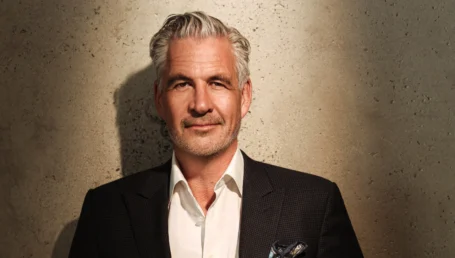

At just four or five years old, Fiona Wilson was already tagging along on her mother’s volunteer rounds, knocking on doors and delivering hot Meals on Wheels to seniors who couldn’t leave their homes. For young Wilson, the visits offered an early glimpse into the power of community service—and the difference a simple act of care can make.
View this post on Instagram
Today, Wilson boasts almost three decades of policing experience and a long list of accolades. She’s been widely recognized for her leadership in advancing responses to mental health and substance use crises—work that began with groundbreaking research she led in 2007 while serving with the Vancouver Police Department.
At the time, officers were seeing a sharp rise in crisis-related calls, but little data existed to explain the shift. Wilson helped change that with her report Lost in Transition, which revealed that, in some parts of Vancouver, these incidents accounted for as many as half of all police calls. The findings helped spur the expansion of the VPD’s dedicated mental health unit and new integrated partnership programs with Vancouver Coastal Health and Providence Health Care—an approach Wilson says reinforced a crucial lesson: police cannot respond to complex social issues alone. “We have to work with our partners, whether that’s health, housing, welfare—you name it,” she says.
Last year, Wilson made history as the first woman to lead the Victoria Police Department—“widely recognized as the oldest municipal police department west of the Great Lakes,” as she puts it. The milestone was meaningful, but complicated. “I’m very proud to be the first female chief,” she says. “But it’s also a bit disappointing that in 2025 we were celebrating something that should have happened long ago.”
Policing, she notes, has historically been “an organization built for and by men,” and women still face unique challenges in rising through the ranks. Part of her mission now is to widen the path for those coming behind her.
Her advice to women considering policing is simple: take the time to understand the profession and, if it resonates, pursue it with determination and passion. “When someone finds their place in policing, they quickly discover that the privilege of serving their community becomes the greatest reward of the work,” the veteran says.
What is your proudest accomplishment?
Her three kids.
What is one misconception about your industry?
That physical strength is the most important thing about being a police officer.
What is a small daily joy of yours?
English breakfast tea.